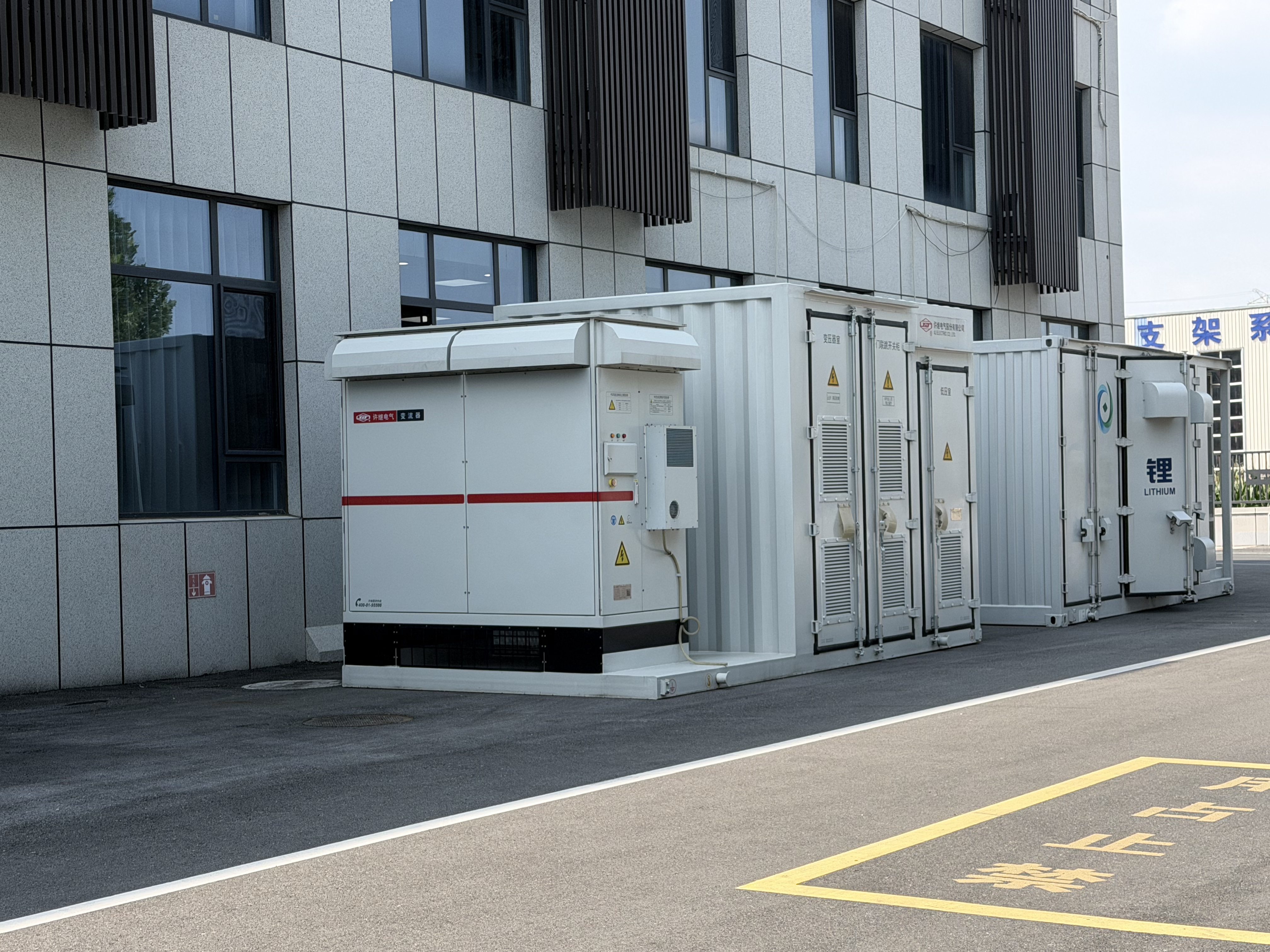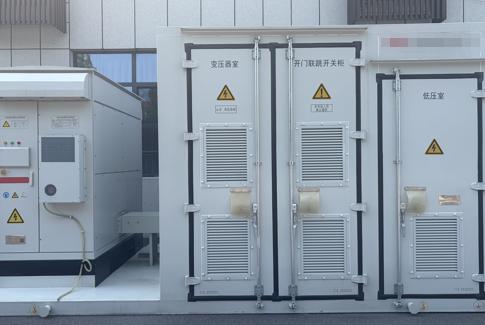
In the high-stakes world of power distribution, the most feared event is a power transformer tank explosion. To the naked eye, it looks like a fire, but internally, it is a millisecond-level battle of physics. When a 110kV or 220kV transformer suffers an internal short circuit, the danger isn't just the spark—it's the massive pressure wave that can tear steel plates apart.
At Gnee Electric, we prioritize safety and durability in every unit we manufacture. Understanding how these failures occur is the first step toward building a more resilient power grid.
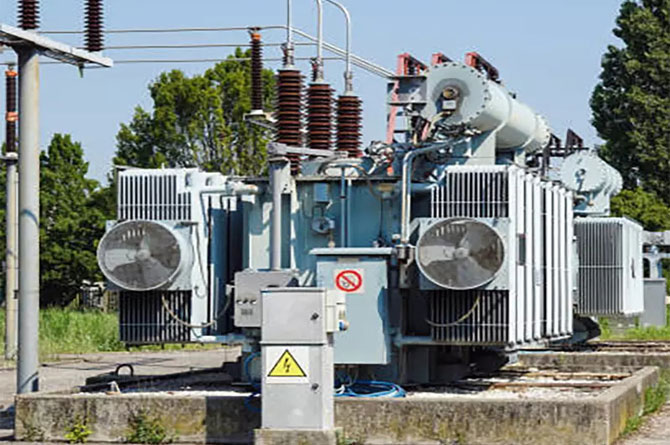
The lifeblood of an oil-immersed transformer is its oil-paper insulation system. Whether it is a 35kV distribution transformer or a 500kV power giant, insulation maintains the electrical distance between windings, leads, and the tank.
Small defects—such as moisture in the insulation paper, gas bubbles in the oil, or tiny metal burrs—can sharpen the local electric field. Over time, partial discharges (PD) carbonize the paper, creating a conductive path. Once this path is fully bridged, a catastrophic insulation breakdown occurs.
[Gnee Electric Advantage]: To prevent these "hidden" defects, Gnee Electric employs ultra-clean factory environments and advanced vacuum drying processes for all our power transformers, ensuring the highest insulation purity from day one.
Once the insulation breaks down, an internal arc is formed. This isn't a simple spark; it is a high-energy plasma that instantly heats and vaporizes the surrounding transformer oil.
Cracking & Gasification: The oil molecules crack into gases like acetylene (C2H2) and hydrogen (H2).
Rapid Expansion: This process happens in milliseconds, converting electrical energy into thermal and kinetic energy inside the sealed transformer tank.
Transformer oil is almost incompressible. When the arc creates a gas bubble, it generates a high-speed pressure wave that radiates outward.
If the pressure wave hits a weak point—such as a weld seam, a radiator interface, or the tank cover—before the pressure relief device can react, the tank will bulge and tear. This is why a transformer explosion can happen even before the external circuit breaker has fully tripped.
To protect a transformer, several layers of defense must work in perfect synchronization:
Buchholz Relay: Detects early gas accumulation and minor internal faults.
Differential Protection: Rapidly cuts power during a major short circuit.
Pressure Relief Valve (PRV): Provides a physical path for the internal pressure to escape safely.
[Soft Sell]: At Gnee Electric, our 110kV and 220kV power transformers are equipped with high-sensitivity dual-float Buchholz relays and rapid-action PRVs. We design our transformer tanks with reinforced structural integrity to withstand significant internal stresses, giving your protection systems the critical milliseconds they need to act.
If a transformer fails, simply replacing the equipment is not enough. A professional forensic audit is required:
DGA (Dissolved Gas Analysis): High levels of acetylene usually point toward high-energy arcing.
Tan Delta & PD Testing: To identify if the failure started in the bushings or the windings.
Physical Inspection: Examining the carbonization of the insulation paper and the deformation of the windings.
A transformer tank explosion is the final result of a failure that often began months or years earlier as a small insulation weakness. Protecting your grid requires more than just a piece of equipment; it requires a partner who understands the deep physics of power.
Gnee Electric provides world-class power transformers (from 10MVA to 500MVA) engineered to mitigate the risks of internal arcing. Our commitment to high-quality insulation and robust tank design makes us the trusted choice for global energy infrastructure.
Worried about your current transformer’s health?
[Contact Gnee Electric’s Technical Team] for a diagnostic consultation or to request a quote for our ultra-reliable high-voltage transformers.