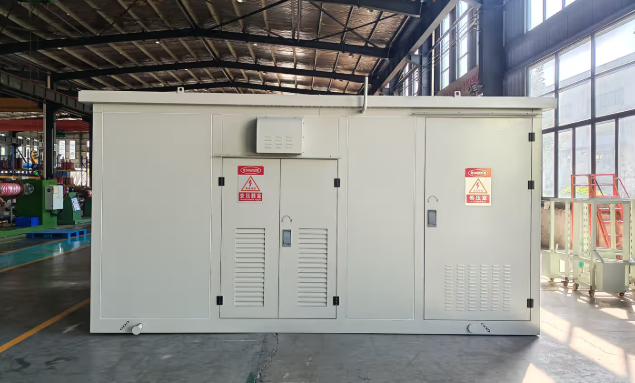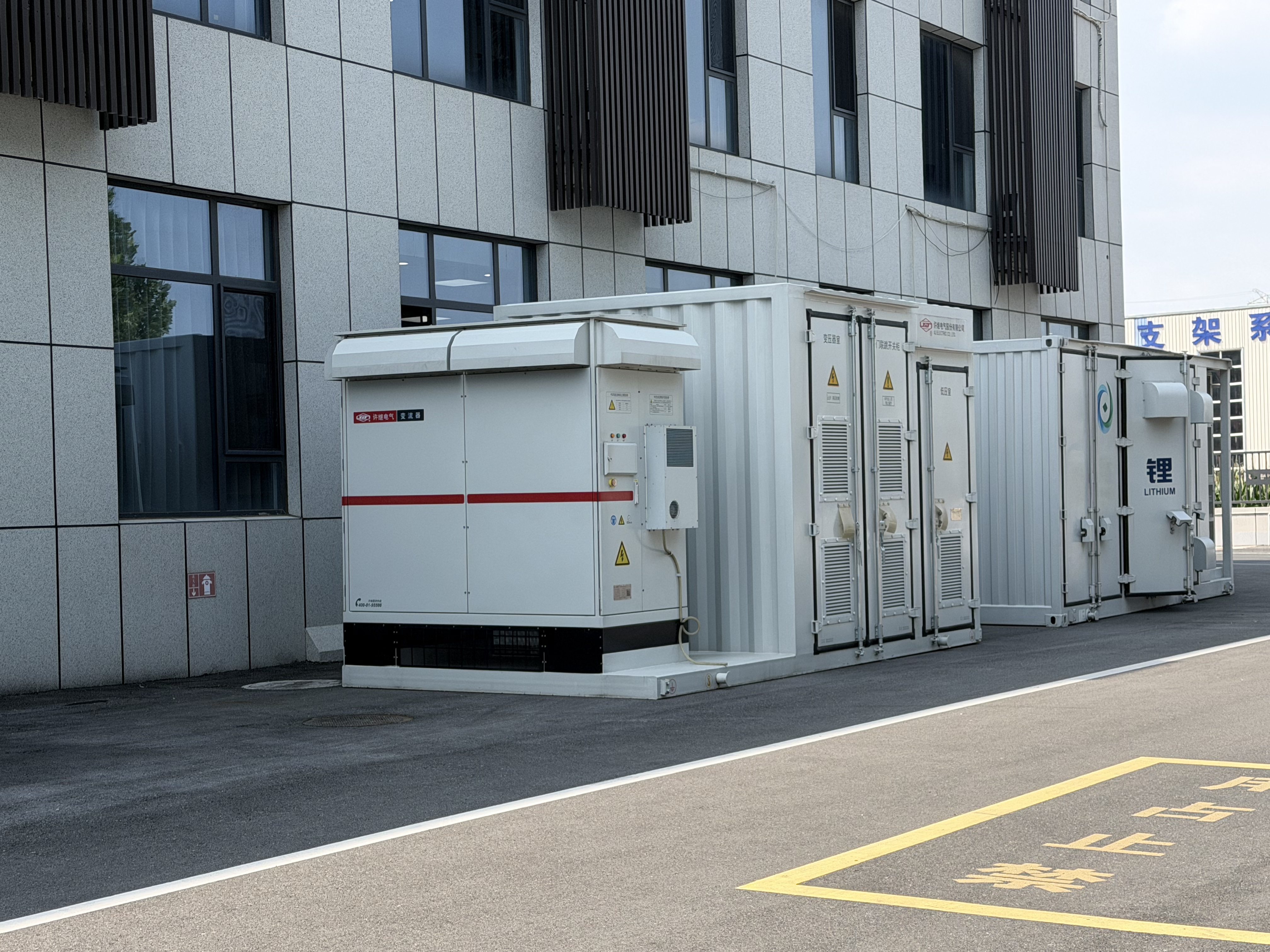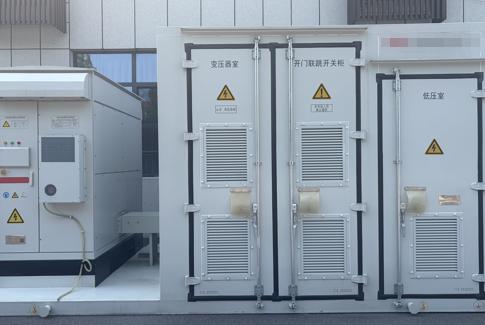
Transformers are the heart of any power system. Proper type selection, compliant procurement, and diligent maintenance directly impact project ROI and supply reliability. This article addresses the 18 most common questions received from clients, covering four key stages: selection, procurement, operation & maintenance, and installation & acceptance. It is intended as a professional reference for project decisions and day‑to‑day management.
.png)
The core criterion is the installation environment and safety requirements.
Dry‑type transformers (SCB series) are oil‑free, fire‑resistant, and maintenance‑free, making them the first choice for indoor applications, basements, shopping malls, hospitals, high‑rise buildings, and other locations with strict fire protection requirements. Oil‑immersed transformers (S series) offer superior heat dissipation and lower overall cost, and are better suited for outdoor substations, heavy industrial sites, and large‑capacity scenarios.
Special Note: If an oil‑immersed transformer must be installed indoors for exceptional reasons, a catch pit (with a volume ≥1.5 times the oil volume) and a Class‑A fire door are mandatory. The total installed cost often exceeds that of directly using a dry‑type transformer.
Simply summing the nameplate powers of all equipment is not recommended. Motors, welders, and other inductive loads have significant starting surges. The capacity should be determined as:
Capacity = Total calculated load × (1.2 ~ 1.5)
Recommended simultaneity factors:
Residential and commercial buildings, shopping malls: 0.7 – 0.9
Industrial workshops: 0.5 – 0.8
An economical load factor for the transformer is typically around 85%. Under‑sizing leads to prolonged overload and frequent tripping; over‑sizing wastes capital investment.
S = Oil‑immersed
SCB = Epoxy resin cast‑coil dry‑type
Trailing number = Energy‑efficiency class; higher numbers indicate lower no‑load and load losses
For example, SCB14‑2000/10.5: three‑phase epoxy resin insulated, low‑voltage foil copper winding, loss level code 14, rated capacity 2000 kVA, rated voltage 10.5 kV. SCB14 reduces no‑load loss by 15% and load loss by 10% compared to SCB12.
Currently, utility companies generally require at least S13/S20/S22 (oil) or SCB13/SCB14/SCB18 (dry) for new grid‑connected projects.
The transformer handles apparent power (kVA) , which comprises active power (kW) and reactive power (kvar).
For rough engineering estimation, the following relation is often used:
kW ≈ kVA × 0.8
Photovoltaic and wind power outputs fluctuate greatly due to day‑night cycles and inverter‑induced harmonics. Dedicated renewable‑energy transformers are designed with enhanced overload capability, improved harmonic suppression, and reduced no‑load losses. Standard distribution transformers operating under such conditions are prone to overheating and accelerated insulation ageing.
The new Chinese national standard GB 20052‑2024 has added energy‑efficiency requirements for photovoltaic, wind‑power, and energy‑storage transformers.
| Parameter | Copper winding | Aluminium winding |
|---|---|---|
| Purchase cost | Higher | About 20% lower |
| Temperature rise | Lower | Higher |
| Service life | Longer | Shorter |
| Reliability | Higher | Moderate |
Recommendation: For long‑term projects, always prefer full copper windings. For short‑term temporary construction power, aluminium windings may be considered.
The differences mainly arise from:
Winding material – copper vs. aluminium
Quality of silicon steel – directly affects no‑load loss
Energy‑efficiency class – tangible price gaps between classes
Auxiliary components – whether temperature controllers, fans, enclosures, transport, and installation/commissioning are included
An unusually low price usually means “shortcuts” have been taken in one or more of these areas, leading to higher operating costs and risks later.
.png)
Professional procurement should calculate the Total Cost of Ownership (TCO) – including purchase price, electricity costs over 15‑20 years of operation, and maintenance expenses – rather than looking solely at the initial purchase price.
Example for a 10 kV/1600 kVA transformer:
Dry‑type (SCB14, Class 1 efficiency): initial ~ CNY 450k, 30‑year TCO ~ CNY 990k
Oil‑immersed (S13, Class 2 efficiency): initial ~ CNY 380k, 30‑year TCO ~ CNY 1,170k
Conclusion: Although the dry‑type costs CNY 70k more initially, its 30‑year TCO is CNY 180k lower. Higher‑efficiency transformers may have higher upfront investment, but the electricity saved over the long term often recovers the extra cost within 3‑5 years.
Except for very short‑term temporary projects, generally not recommended. Reasons:
The extent of insulation ageing cannot be accurately assessed
Losses often exceed specified limits
Complete type‑test reports are usually missing, making utility acceptance difficult
Reputable manufacturers usually offer:
Whole‑unit warranty: 2 – 3 years
Key components (windings, core): 5 years
The contract should clearly specify the scope of warranty, response time, and on‑site service provisions – verbal promises are not sufficient.
At a minimum, the following should be provided:
Product certificate
Type test report (compliant with GB/T 1094 series)
Energy‑efficiency registration certificate
China Compulsory Certification (CCC) certificate (where applicable)
It is advisable to request and verify these documents from the manufacturer before the equipment arrives on site.
Uniform humming – normal electromagnetic noise
Harsh metallic tapping or significantly increased vibration – warning signs of loose core clamping, winding deformation, or severe phase imbalance; reduce load and arrange an inspection promptly
Common causes: prolonged overload, blocked air ducts, or cooling fan failure.
Industry rule of thumb: for every increase of about 6 °C, the insulation life is halved.
Dry‑type: keep air ducts clean, regularly remove surface dust
Oil‑immersed: periodically inspect radiators and oil level
Leaks often occur at valves, flanges, or bushing areas:
Slight seepage – tighten connections or replace gaskets during a scheduled outage
Obvious dripping or spraying – must be taken out of service immediately to prevent insulation degradation or even fire
⚠️ Never remove high‑voltage bushings or other live components while energised.
The design life is typically 20 years. Under high temperature, high humidity, and heavy loading, ageing accelerates. For low‑efficiency equipment that has been in operation for more than 15 years, from a life‑cycle cost perspective, replacement is often more economical than repeated repairs.
Dry‑type: clean surface dust monthly to ensure unobstructed air ducts
Oil‑immersed: check oil level annually; perform dissolved gas analysis (DGA) every 1 – 3 years; treat if acid number or gas content exceeds limits
Troubleshooting steps:
First check whether the upstream line voltage is stable
If the external line is normal, inspect the tap‑changer contacts and phase load balance
Adjust the tap position or redistribute loads as necessary
Key points:
Sufficient clearance for heat dissipation and maintenance access
Adequate ventilation; forced exhaust fans if necessary
Floor loading capacity meeting equipment weight
Compared with oil‑immersed types, dry‑type transformers have simpler civil and fire‑protection requirements.
.png)
The global transformer industry is currently experiencing its strongest cycle in recent years. Driven by the converging demands of grid upgrade and replacement in Europe and the US, the accelerated construction of AI data centres, and the integration of renewable energy sources, China’s transformer exports from January to May 2026 reached CNY 28.99 billion, a year‑on‑year increase of 29%. Over 50% of US grid equipment has been in service for more than 25 years, while about 40% of Europe’s distribution networks have been operating for over 40 years.
Meanwhile, solid‑state transformers (SSTs), as a next‑generation technology, have already achieved commercial breakthroughs in data centre applications, with supply efficiency reaching 98.5%. The strong growth in traditional transformer exports is expected to continue for another 2‑3 years.
.png)
The 18 questions above cover the critical stages of transformer selection, procurement, operation, maintenance, and acceptance. With the new energy‑efficiency standard GB 20052‑2024 having taken effect on 1 February 2025, making the right choices at each stage – select correctly, buy wisely, operate properly, and maintain diligently – ensures that this “big block” of equipment delivers maximum value.
For specific enquiries regarding transformer selection, quotation, or technical support, please feel free to contact us for professional assistance.