VR

Application of Compact Substations in Solar Power Stations

14 Aug 2026
Reading Volume :

1. What Is a Solar PV Compact Substation?

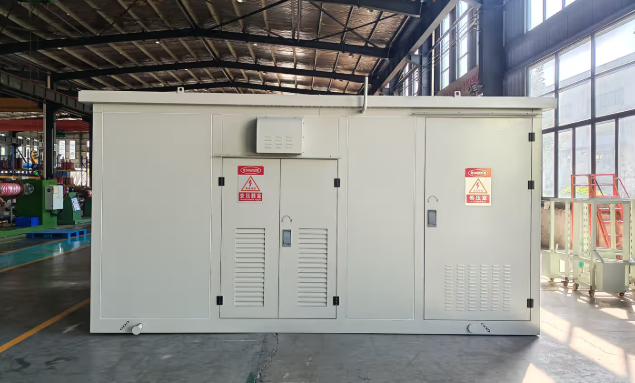
A Solar PV Compact Substation, also referred to as PV Step-Up Compact Substation, Photovoltaic Compact Substation, PV Transformer Substation or PV All-in-One Unit, is a fully prefabricated modular power unit.

It integrates medium-voltage switchgear, a PV step-up transformer and low-voltage distribution & protection systems inside one weatherproof enclosure. Installed between solar inverters and the utility grid, it steps up the low-voltage AC output (0.69kV / 0.8kV) from PV inverters to medium voltage (10/20/33/35kV system voltage), significantly reducing transmission losses across large PV arrays.
Solar PV Compact Substation


2. Core Functions in Solar Power Plants

  • Voltage Step-Up: Raise inverter output voltage from low voltage (0.69kV / 0.8kV) to medium voltage (10–35kV class) for long-distance power collection and transmission.
  • Centralized Power Collection: Aggregate power output from multiple string or central inverters.
  • Comprehensive Protection: Provide short-circuit, overvoltage, over-temperature and fault isolation for the PV system.
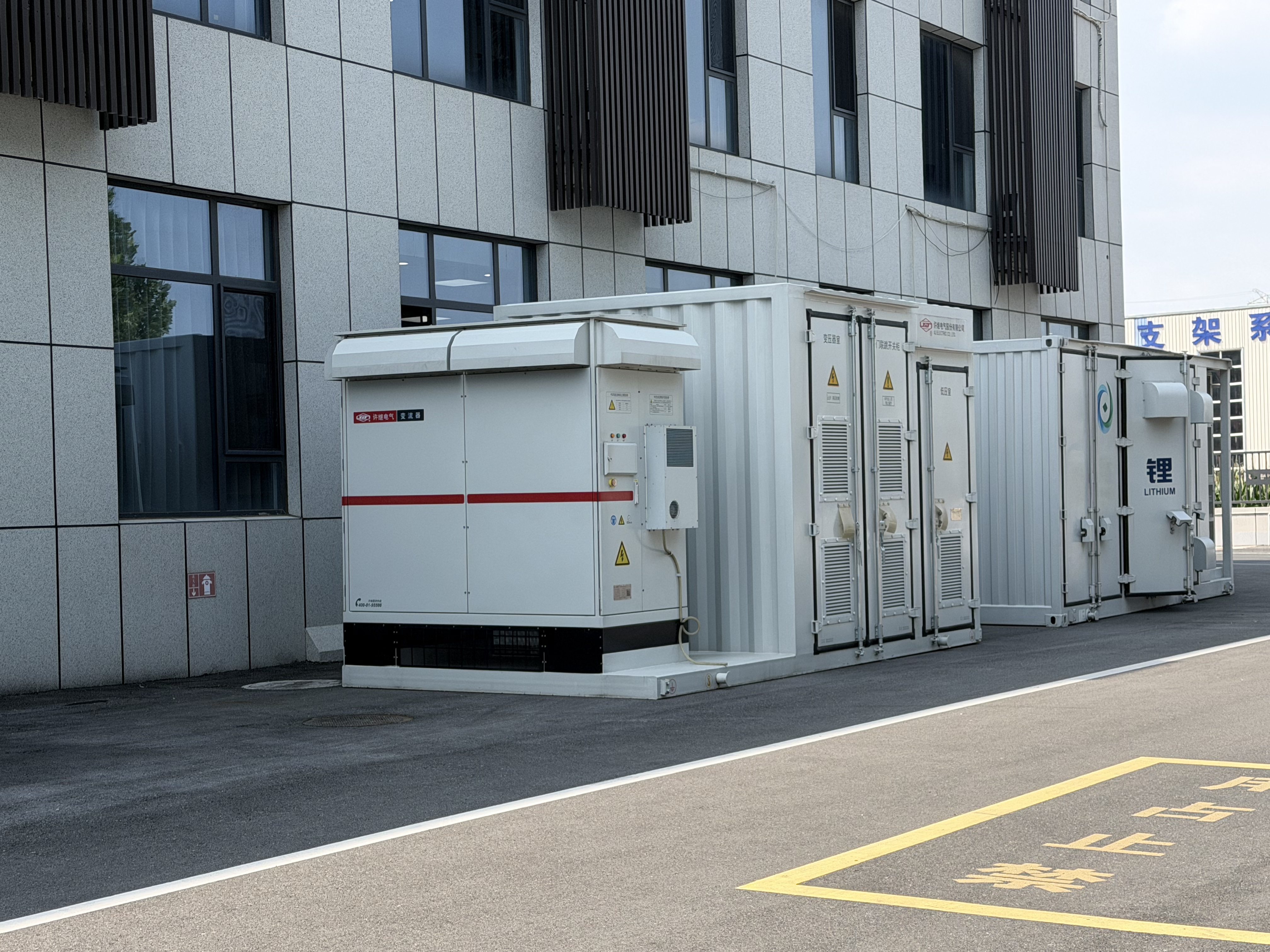
  • Grid Connection & Monitoring: Support metering, grid interconnection and remote data transmission to central control systems. (PV inverter performs grid synchronization; the substation ensures safe grid interconnection and protection.) PV Compact Substation

3. Primary Application Scenarios

  • Utility-scale ground-mounted solar farms: Deployed per 2.5–3MW PV block (up to 3150kVA per unit; larger blocks use multiple units in parallel) to collect power across wide solar fields.
  • C&I rooftop distributed PV: Space-saving solution for factories, warehouses and commercial buildings with limited land area.
  • Agrivoltaic & fishery complementary PV: Sealed anti-corrosion design adapts to high-humidity farm and water environments.
  • PV + Energy Storage hybrid stations: Compatible with battery energy storage systems for new energy microgrids.
  • Rural grid-connected PV stations: Compact units for remote distribution areas connected to the public medium-voltage grid.
  • Off-grid microgrids (with battery storage): LV distribution for standalone systems; MV island grids only for large-scale hybrid microgrids.
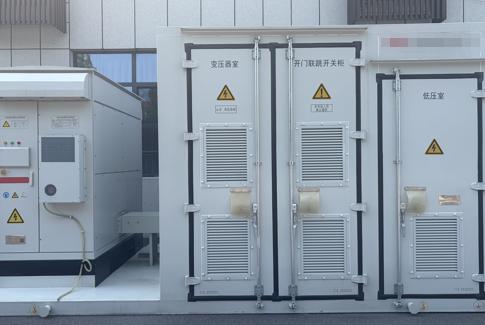
PV Step-Up Compact Substation

4. Key Advantages for Solar Developers & EPCs

  • Small Footprint: Integrated layout saves land space, allowing more solar panels to be arranged on site.
  • Factory Pre-assembly & Testing: Plug-and-play delivery reduces on-site civil engineering work and construction cycles.
  • Strong Environmental Adaptability: IP54 enclosure resists dust and water ingress, designed for high-temperature, humid and dusty environments; optional heavy-duty salt-spray-resistant coating for coastal projects.
  • Intelligent O&M: Built-in RTU system supports remote monitoring, real-time fault alarms and lowers manual inspection costs.
  • High Customization: Support oil-immersed / dry-type transformers, different voltage ratios and international certification requirements.

5. Core Configuration & Standard Parameters

Item

Specification

Core Equipment

PV Step-up Transformer, MV Switchgear, LV Protection Cabinet, Monitoring System, Weatherproof Enclosure

Rated Capacity

500kVA ~ 3150kVA (standard R10 series, customizable)

MV Side Voltage

System voltage 10kV / 20kV / 33kV / 35kV (equipment rated voltage Um 12/24/36/40.5kV per IEC 62271-1)

LV Inverter Side

0.69kV, 0.8kV

Transformer Type

Oil-immersed low-loss / dry-type (S13+ per GB 20052)

Vector Group

Dyn11

Impedance Voltage

4.5% – 6.0% (varies by capacity)

Insulation Level

Per voltage class (e.g., 12kV: LI/AC 75/28kV; 36kV: LI/AC 170/70kV)

Noise Level

≤55dB (oil-immersed) / ≤65dB (dry-type)

Frequency

50Hz / 60Hz optional

Protection Grade

IP54 (IP55 optional)

Anti-corrosion

Hot-dip galvanizing standard; heavy-duty salt-spray coating optional (per ISO 12944-2 C4 / C5-M)

Communication

Modbus RTU/TCP, IEC 61850, RTU telemetry for remote monitoring

Standards

IEC 62271-202, IEC 60076, CE, ISO 9001


6. Practical Selection Tips

  1. Match transformer capacity to each PV block's MW size — e.g., 2500–3150kVA for a 2.5–3MW block.
  1. Confirm local grid voltage standard and inverter output voltage to define the transformation ratio.
  1. Select anti-corrosion and heat dissipation configurations based on site climate (desert, coast, plateau).
  1. Clarify grid operator requirements for communication protocols and metering functions.
  1. Verify required certifications for target export markets.

7. FAQ

Q1: What is the difference between a PV compact substation and an ordinary box transformer? PV compact substations use transformers engineered to withstand inverter-generated harmonics, plus PV-specific protection logic for fluctuating solar output, while ordinary box-type transformers serve conventional municipal power distribution.

Q2: Can the equipment operate in coastal salt fog environments? Yes. GNEE provides heavy-duty anti-corrosion coating options for coastal PV projects to resist salt spray erosion.

Q3: Do you support OEM & customized design? We offer full OEM & ODM service, including cabinet layout, component selection, communication system modification and logo customization.


8. Get Custom PV Compact Substation Solution – Contact GNEE Electric Now

Are you an EPC contractor, solar farm developer or renewable energy wholesaler sourcing reliable Solar PV Compact Substation, PV Step-Up Compact Substation or PV Transformer Substation?

GNEE Electric manufactures factory-direct PV dedicated compact substations and PV step-up transformers. Our engineering team can design tailored PV All-in-One Unit solutions according to your project parameters, site environment and certification demands.

Your project deserves a factory-tested, grid-ready PV Compact Substation — send us your plant MW & HV voltage today, and we'll deliver a tailored technical scheme and competitive quotation within 24 hours.

Contact Us

  • WhatsApp: +86 15824687445
TAGS :
Leave A Reply