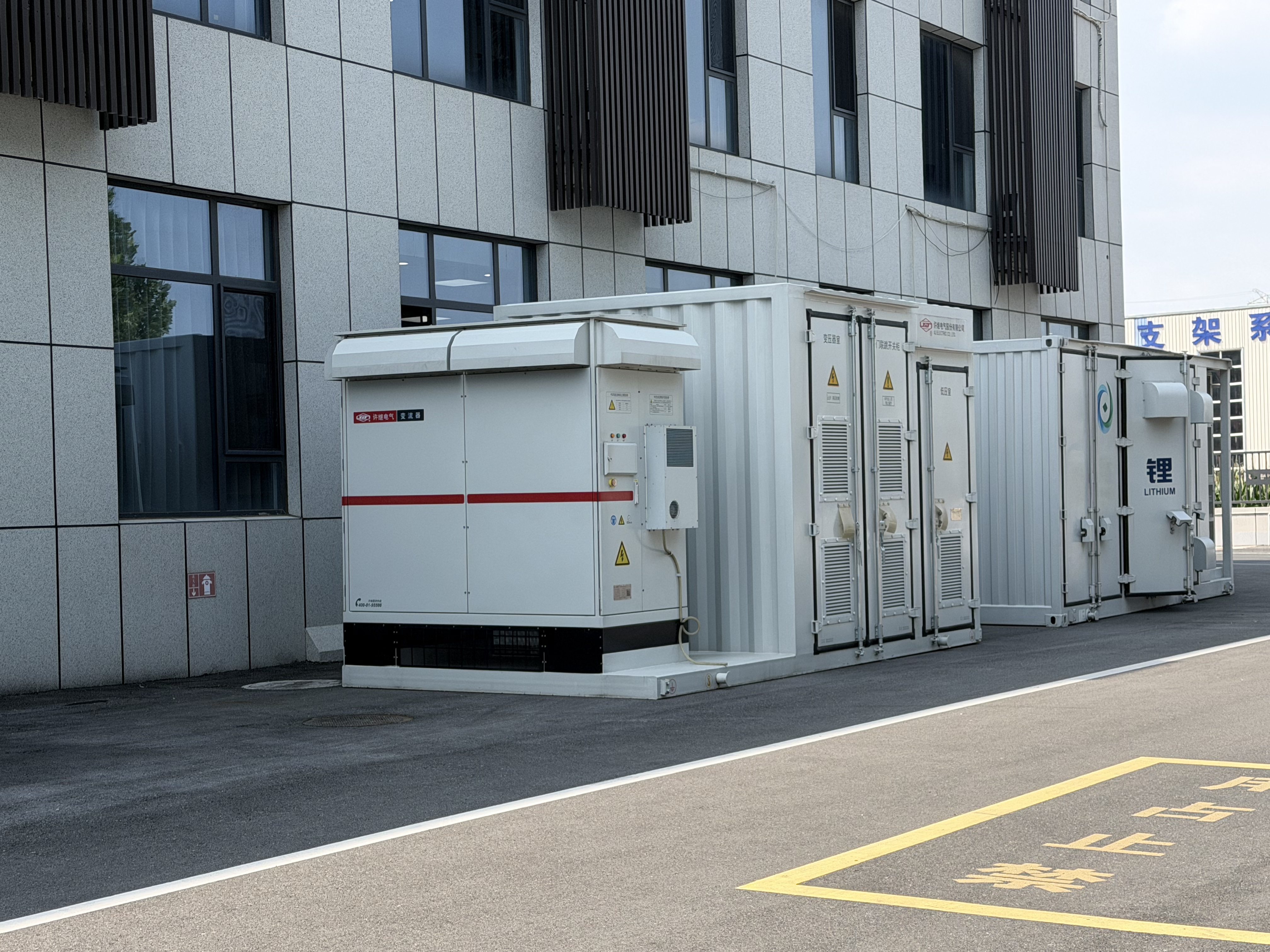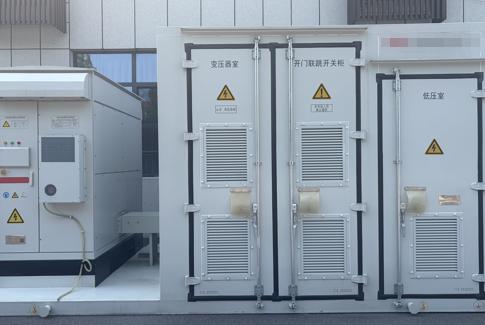
In utility-scale solar projects, the 35kV Solar PV Step-Up Compact Substation (also known as a PV Step-Up Compact Substation) is the core junction between the inverter arrays and the transmission grid. Its performance directly determines grid acceptance, energy yield, and operational stability across the plant’s entire 25-year lifecycle.
Too often, project developers and EPC contractors select suppliers based solely on the lowest quote. The hidden costs quickly follow: excessive temperature rise, failed protection relays, enclosure corrosion, and missed grid-connection milestones.
To safeguard your solar investment, here are the 5 non-negotiable criteria for screening a qualified transformer manufacturer.
A trustworthy source manufacturer must possess complete internal production lines:
Transformer Core & Windings: In-house coil winding and silicon steel core stacking.
Enclosure Fabrication: Laser sheet-metal cutting, anti-corrosive powder coating, and structural welding.
Integration & Assembly: Primary/secondary equipment integration and full-load factory acceptance testing (FAT).
Red Flag: Suppliers who outsource the enclosure or the internal transformer often rely on third-party certifications. Ensure the legal entity on your contract, commercial invoice, and type-test reports are 100% identical.
Grid operators enforce rigorous interconnection standards. A valid testing dossier must include:
Complete Substation Type Tests: Validated for the assembled Prefabricated Substation for Solar Power Plants, not merely the standalone internal transformer.
Secondary Protection & SCADA Integration: Pre-configured with "four-remote" telecontrol (metering, signaling, control, and adjustment) matching local grid communication protocols.
Low-cost suppliers frequently cut corners by omitting full-cabinet tests. Fixing protection logic on-site under tight deadlines creates catastrophic delays.
No two solar farms share identical conditions. A standard off-the-shelf unit fails quickly in harsh environments:
Coastal & Floating Solar: Requires C5-M anti-corrosion paint and IP55/IP65 sealed compartments against salt spray.
Desert & Mountain Utility Plants: Needs wind-sand baffle filters, enhanced thermal dissipation, and derating adjustments for high altitudes (>2000m).
Electrical Design: Dual-split transformer winding topologies matched perfectly to multi-inverter inputs.
A qualified manufacturer tailors the enclosure metallurgy, airflow dynamics, and transformer electrical impedance to site-specific conditions.
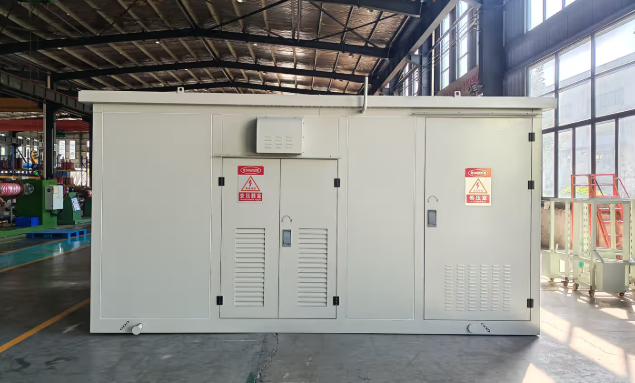
When reviewing technical agreements, inspect the physical build parameters:
Conductor Material: Insist on 100% T2 oxygen-free copper windings. Reject copper-clad aluminum (CCA) substitutions that inflate resistance and thermal risk.
Capacity Margins: Size the unit with a 1.1x to 1.2x capacity margin over standard inverter output to safely accommodate irradiance spikes and bifacial solar module gains.
Impedance & Loss Classes: Verify that no-load and load losses adhere to current international energy-efficiency benchmarks.
Grid-connection penalties are unforgiving. Ensure your manufacturer has confirmed floor space, predictable production scheduling, and direct freight access:
Delivery Assurance: Dedicated assembly slots rather than speculative outsourced timelines.
Long-Term Warranty & Spares: Readily available replacement components (bushings, tap changers, and relays) to eliminate prolonged downtime.
Technical Commissioning Support: Availability of dedicated remote or field engineering teams for on-site commissioning and acceptance inspection.
In utility solar EPC contracts, saving 5% on an unverified PV Step-Up Compact Substation often leads to 50% losses in downtime and penalties. True savings come from factory-tested reliability, certified thermal margins, and robust local grid integration.
Gnee Electric supplies engineered-to-order Solar Step-up Transformers and Containerized Compact Substations (ranging from 1000kVA to 4000kVA, up to 35kV) for utility, industrial, and microgrid solar installations worldwide.
Planning a utility-scale or C&I solar project?
[Contact Gnee Electric’s Technical Team]