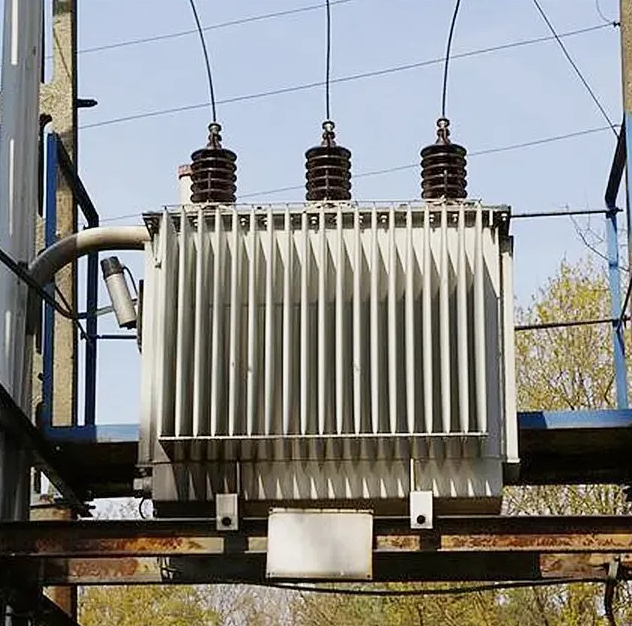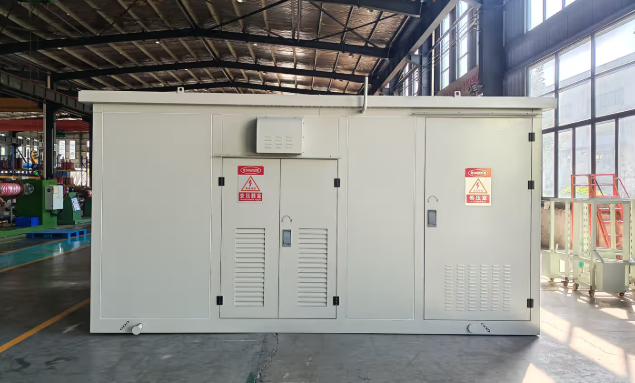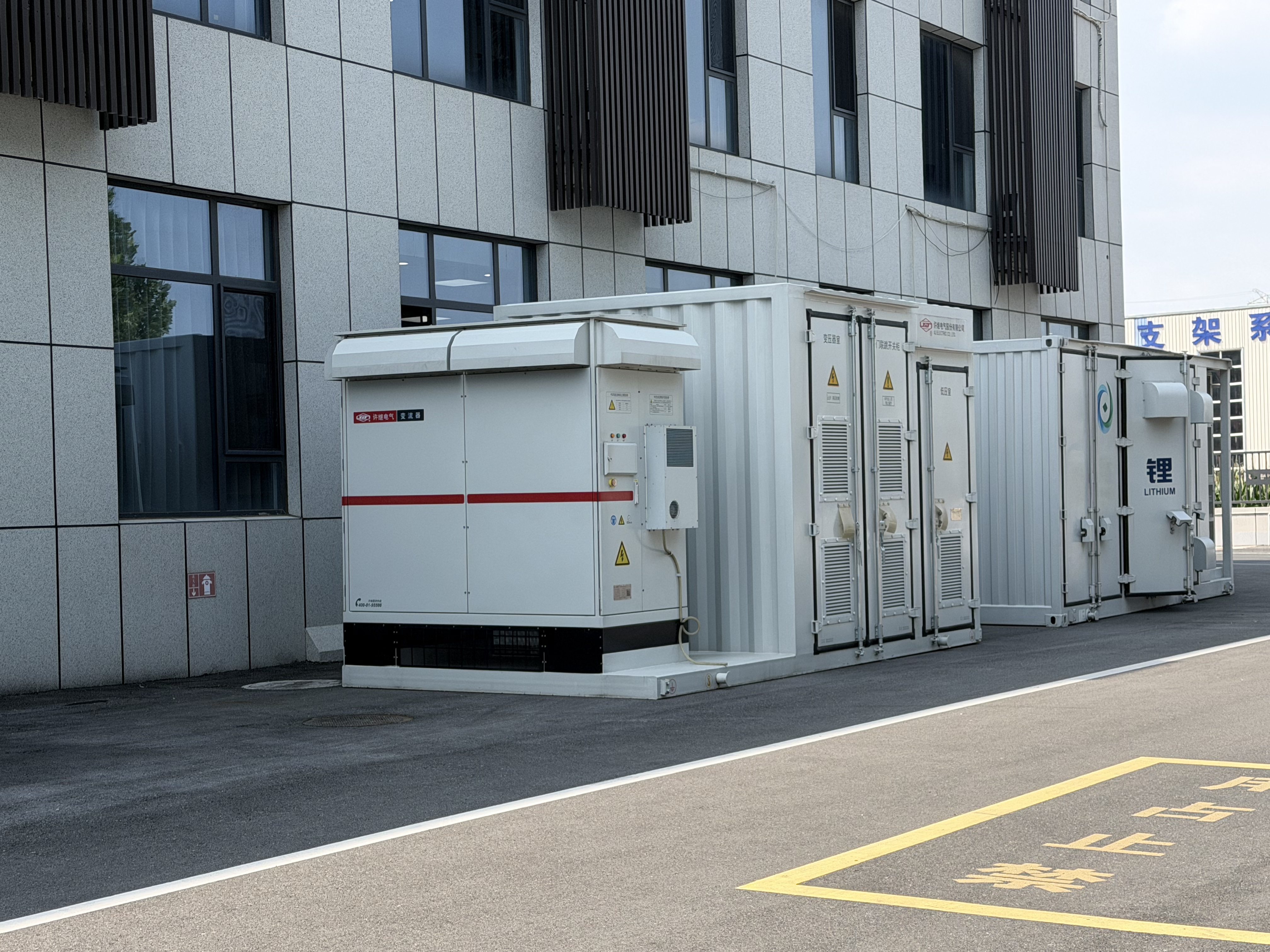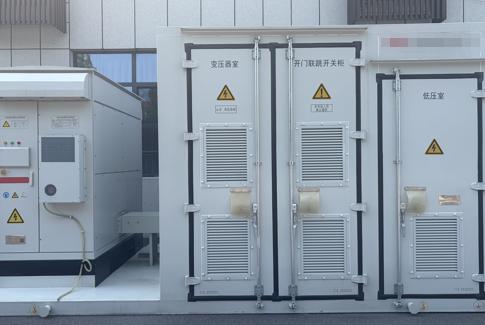
In the world of power distribution, the transformer is the "heart" of the grid. However, many operators overlook a critical silent killer: Overloading.
Operating a transformer beyond its nameplate-rated current is not just a technical violation; it is a direct threat to the equipment’s longevity. At Gnee Electric, we emphasize that temperature is the primary factor determining a transformer's life. Research shows that for every 8°C increase in operating temperature above the limit, the insulation's mechanical strength is reduced by half—effectively "halving" the transformer's life.
High temperatures caused by overloading go far beyond simple heating. They trigger a chain reaction of internal destruction:
Accelerated Insulation Aging: The cellulose paper and pressboard insulation become brittle and lose mechanical strength. Once the insulation cracks, internal short circuits are inevitable.
Oil Degradation: In oil-immersed transformers, extreme heat causes the insulation oil to oxidize and produce sludge and acidic substances. This creates a vicious cycle: "Aging -> Corrosion -> More Overheating."
Risk of Catastrophic Failure: Prolonged slight overloading may seem harmless, but it creates "silent bombs" within the grid that can lead to sudden burnouts and massive power outages.
Early detection is the key to preventing asset loss. Monitor these three signals closely:
Always track the primary and secondary side currents. If the current consistently exceeds the nameplate rating—even by just 10%—the transformer is in a danger zone.
Oil-immersed Transformers: Be wary if the top oil temperature exceeds 85°C.
Dry-type Transformers: If the winding temperature stays above 105°C, overloading is the likely culprit.
A healthy transformer produces a uniform, low "hum." An overloaded transformer emits a heavy, deep, and loud buzzing sound. If you hear a change in the acoustic signature during a site inspection, check the load immediately.
Shed the Load: Immediately disconnect non-essential loads to bring the current back within safe limits.
Enhance Cooling: Check if cooling fans and oil pumps are functioning at 100%. For dry-type units, ensure the ventilation in the transformer room is unobstructed.
Continuous Tracking: Monitor the temperature for the next hour. If it does not stabilize, a full shutdown and inspection are required.
Load Planning: Distribute electrical loads based on the rated capacity. Never "blindly" add new equipment without calculating the total demand.
Smart Protection Devices: Install overload protection relays and digital temperature monitors with automatic alarm/trip functions.
Routine Maintenance: Conduct annual infrared thermography to find hotspots and monthly oil quality tests to detect early signs of insulation breakdown.
As a leader in the power transformer industry, Gnee Electric is committed to not only providing high-quality equipment but also ensuring our clients have the knowledge to maintain a stable power supply. Preventing long-term overloading is the most cost-effective way to protect your investment.
Need a transformer health check or looking for high-durability power solutions?
[Contact Gnee Electric’s Technical Team Today] for expert advice on transformer selection and maintenance.