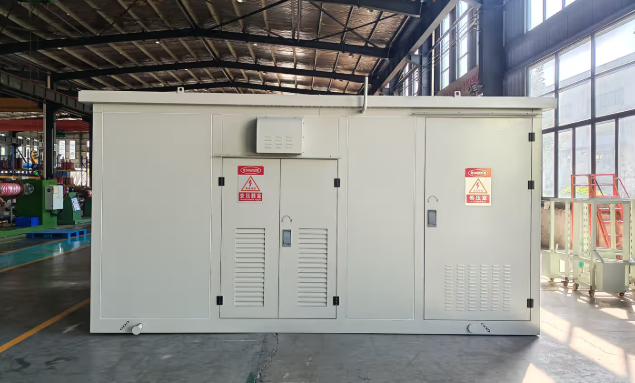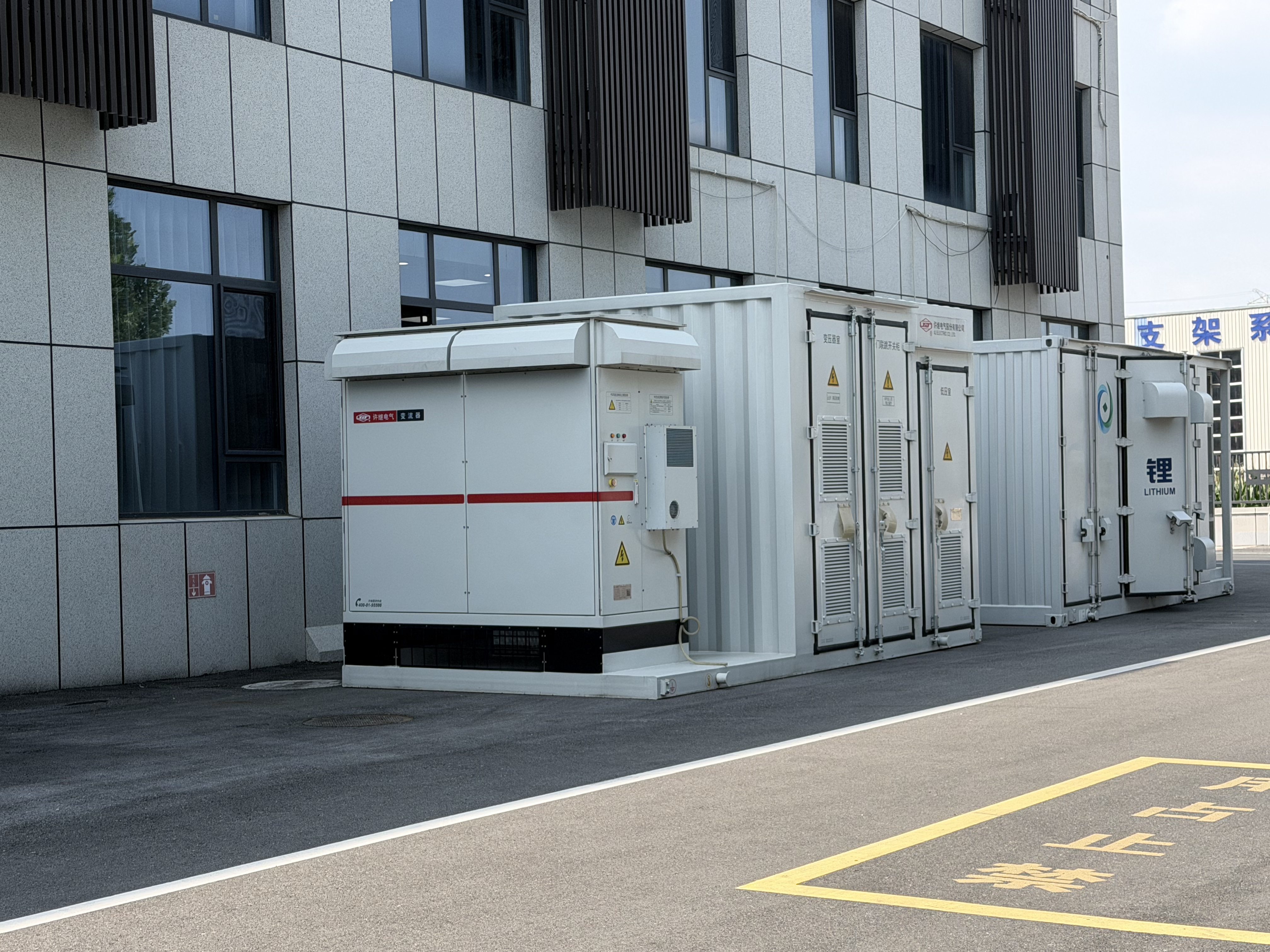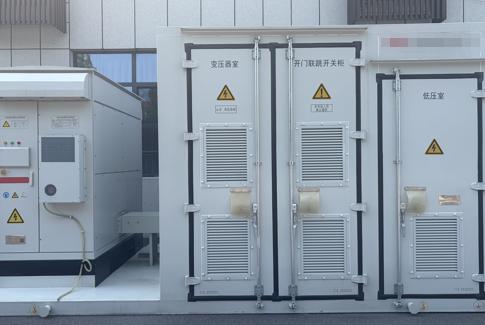
Selecting the correct transformer capacity (measured in kVA) is one of the most critical decisions in electrical system design. Whether you are managing a factory distribution system, a residential power supply, or a small workshop, the capacity must be precise.
Choose too small: You risk overloading, overheating, and burning out your equipment.
Choose too large: You face unnecessary investment costs and long-term energy waste due to "no-load" losses.
In this guide, Gnee Electric will show you the exact formulas and expert tips to size your transformer like a pro.
.png)
In the industry, we often warn against the "Big Horse Pulling a Small Carriage" phenomenon. If a transformer’s capacity is significantly higher than the actual load, it operates inefficiently, increasing reactive power loss. Conversely, a transformer running at constant overload is a ticking time bomb.
The Economic Capacity: A transformer operates at peak efficiency when the load rate is between 0.5 and 0.6.
Load Center Principle: To minimize power loss, the transformer should be placed at the load center, with a supply radius not exceeding 0.5 km.
Safety Margin: For stable, continuous loads, we typically apply a 1.25x safety factor to the maximum predicted load.
Most electrical devices list their power in kW (Active Power), but transformers are rated in kVA (Apparent Power). Here is how to bridge the gap.
If you have unbalanced loads across Phase A, B, and C, you must size based on the heaviest phase.
Example: Phase A = 10kW, Phase B = 9kW, Phase C = 11kW. We use 11kW as our baseline.
Total Three-Phase Power = 11kW×3=33kW11kW×3=33kW
cosϕ)Most industrial systems have a power factor around 0.8.
33kW/0.8=41.25kVA33kW/0.8=41.25kVA
For stable operation, we generally aim for an 85% load rate.
41.25kVA/0.85=48.53kVA41.25kVA/0.85=48.53kVA
Result: In this scenario, a 50kVA transformer is the perfect choice.
Motor Starting Current: Motors can draw 4 to 7 times their rated current during startup. As a rule of thumb, the capacity of the largest single motor should not exceed 30% of the transformer's total capacity.
Irrigation/Dynamic Loads: For dedicated motor loads, select a capacity approximately 1.2 times the motor's nameplate power.
The 1000kVA Limit: For safety and reliability, we generally recommend that a single transformer unit should not exceed 1000kVA. If your load requirement is higher, consider using multiple units in parallel operation.
For rural grids or factories with high seasonal variance (e.g., peak production months vs. maintenance months), Mother-Son Transformers or Variable Capacity Transformers are excellent cost-saving options.
The Strategy: Use a large "Mother" transformer during peak load and switch to a smaller "Son" transformer during low-load periods. This significantly reduces no-load losses and improves the utilization rate.
Calculating transformer capacity isn't just about math; it's about balancing initial investment with operational efficiency. Whether you need a standard 30kVA, 200kVA, or 1000kVA unit, Gnee Electric provides customized solutions to ensure your grid runs at its "Economic Capacity."
Confused about your load requirements?
[Contact Gnee Electric’s Engineers] for a free load analysis and a tailored transformer quotation.