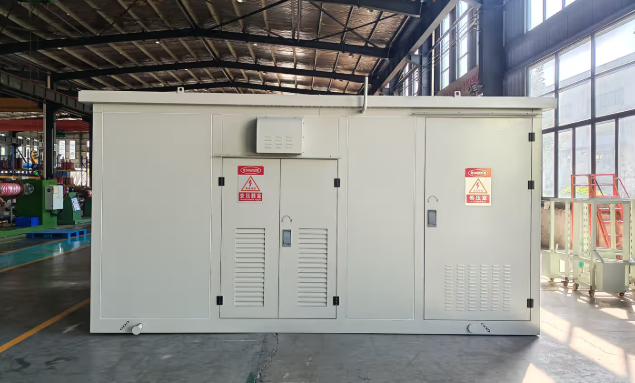
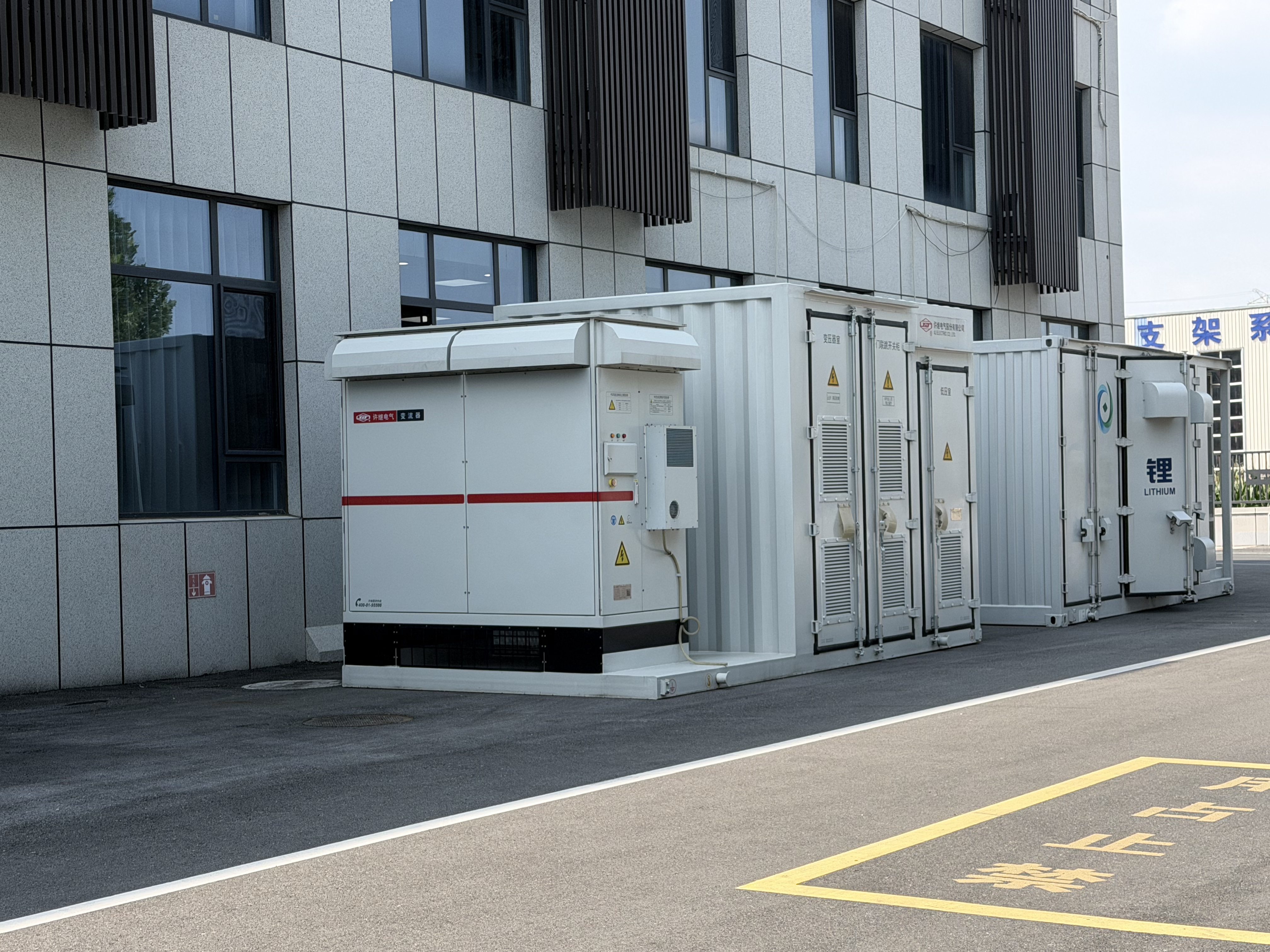
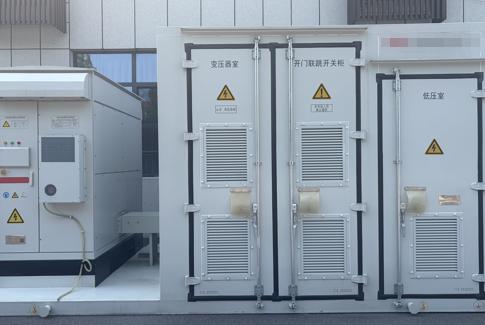
A 75 kVA transformer is an electrical device designed to transfer energy between different circuits. Its primary function is voltage conversion, which means it can either raise the voltage (step-up) or reduce it (step-down) according to specific system requirements. Within power distribution systems, this type of transformer plays a vital role by ensuring stable and efficient delivery of electricity to the point of use. The term “kVA,” short for kilovolt-amperes, refers to the transformer’s apparent power rating. This value defines the maximum load the transformer is capable of handling, making it a key parameter when selecting equipment for an electrical system. Understanding this rating is essential, as it directly affects performance, reliability, and safety. Main Features of 75 kVA Transformers: Offered in both single-phase and three-phase configurations Manufactured as oil-filled or dry-type designs Widely applied in commercial and industrial environments A clear understanding of how a 75 kVA transformer operates is critical for proper application. The transformer must be correctly matched to the voltage level and power demand of the system it supports. Proper selection and installation help avoid overload conditions, improve operating efficiency, and contribute to long-term electrical safety and system stability.
Market Trends & Insights
Industry data from IEEMA publications and technical studies indexed on IEEE Xplore indicate a steady rise in demand for transformers rated between 50–150 kVA. This growth is largely driven by accelerating infrastructure expansion and the widespread adoption of distributed energy systems (DERs). At the same time, the shift toward smart microgrids and renewable energy integration has encouraged utilities and commercial users to deploy space-saving, high-efficiency units, including the 75 kVA transformer category. In addition, recent transformer designs increasingly feature low-loss amorphous cores and environmentally friendly cooling media, helping reduce energy losses while meeting environmental regulations and lowering total operating costs over time.
Key Specifications and Features
Understanding the technical specifications of a 75 kVA transformer is essential when evaluating its application suitability. Its power rating allows it to support relatively heavy electrical loads, making it appropriate for demanding operating environments. The configuration of a 75 kVA transformer may differ depending on system requirements, particularly in terms of phase arrangement and cooling approach. When selecting a unit, the following parameters should be carefully reviewed: Rated voltage: matched to the system operating level Efficiency rating: reflects the percentage of effective power conversion Cooling method: commonly oil-filled or air-cooled Construction type: available in single-phase and three-phase formats Each of these specifications directly influences the transformer’s performance, service life, and overall investment value, making them critical considerations during the purchasing process.
Technical Specifications of a Typical 75kVA Transformer
Applications of 75 kVA Transformers
Proper assessment is essential to ensure a transformer is well matched to its intended application. In power distribution systems, the 75 kVA transformer is widely recognized for its flexibility and reliable load-handling capability, making it a practical choice for both commercial and industrial settings. These transformers are commonly deployed in locations where consistent electrical performance is required, including commercial buildings, manufacturing plants, and data centers. Their ability to deliver stable power under varying demand conditions allows them to perform effectively in a broad range of environments. Typical uses of a 75 kVA transformer include: Powering large HVAC systems Operating high-capacity lighting networks Supplying energy to machinery and production equipment Thanks to their adaptability and efficient energy management, 75 kVA transformers play a key role in maintaining power reliability and operational stability across multiple industries.
Understanding 75 kVA Transformer Amperage
Amperage defines the amount of electrical current a 75 kVA transformer can carry without risk, making it a fundamental parameter for safe operation. The current value is directly influenced by the operating voltage and can be calculated using a basic formula: Amperage = kVA / Voltage This relationship clearly shows that current output changes as voltage levels vary. For reference, typical operating conditions include: At 208 volts, the transformer supplies roughly 208 amps At 480 volts, current output decreases to about 93 amps As voltage increases or decreases, amperage adjusts accordingly. Understanding these values is essential for avoiding overload situations, ensuring stable performance, and extending the service life of the transformer.
Transformer Efficiency: What You Need to Know
Transformer efficiency describes how effectively electrical input power is converted into usable output power and is commonly listed as a percentage in technical specifications. Actual efficiency is influenced by multiple variables, including transformer design, load characteristics, and surrounding operating conditions. In most cases, a transformer reaches peak efficiency when operating close to its rated capacity. This makes efficiency a key factor in long-term energy cost control and system reliability. Several elements affect transformer efficiency: Design: Advanced designs typically deliver higher efficiency, though often at a higher initial cost Load conditions: Efficiency changes depending on how heavily the transformer is loaded Environmental factors: Extreme temperatures can negatively impact performance Higher efficiency leads to reduced energy losses, lower operating expenses, and improved overall system performance over time, making it an important consideration when selecting a transformer.
75 kVA Transformer Cost and Price Factors
The pricing of a 75 kVA transformer can differ widely depending on configuration and manufacturing standards. In many cases, factory-level pricing typically falls around $2,000, though actual costs may rise or fall based on several key variables. Understanding these factors is essential for accurate budgeting. Material selection has a major influence on price. Premium components such as high-grade copper and silicon steel often improve efficiency and reliability but increase manufacturing costs. Additional design elements, including upgraded cooling systems, may further affect pricing. The construction type is another important consideration. Oil-filled transformers generally carry a higher price compared to dry-type units due to their more complex cooling structures. Brand value also impacts cost, as established manufacturers often command higher prices in exchange for consistent quality and dependable support. For customers seeking reliability, Gnee EC Transformer is a trusted option. Key factors affecting price include: Materials: Copper content and silicon steel quality Manufacturer: Brand reputation and warranty coverage Specifications: Customized features or enhanced performance options Beyond the purchase price, ongoing maintenance should be included when evaluating total ownership cost, as proper upkeep helps maintain stable performance and extends service life.
Choosing the Right 75 kVA Transformer
Selecting the appropriate 75 kVA transformer requires alignment with application demands and installation conditions. The first step is identifying whether a single-phase or three-phase transformer is needed, based on the connected electrical load. Next, evaluate whether an oil-filled or dry-type design better suits the operating environment, as each offers distinct advantages in installation and maintenance. If guidance is required, Yawei Transformer can provide professional recommendations tailored to your project. Key selection points to consider: Phase Type: Single-phase or three-phase Installation Location: Indoor or outdoor environments Noise Requirements: Compliance with site limitations Finally, reviewing the manufacturer’s track record and warranty terms is essential. Reliable suppliers, such as Yawei Transformer, offer stronger long-term performance and service assurance. A well-informed selection ultimately supports safe, efficient, and reliable power distribution.
FAQ: 75kVA Transformer
1. How much does a 75kVA transformer cost? The price typically ranges from $1,200 to $4,000 depending on the brand, type (oil/dry), and included features. Customization may increase the price. 2. Can a 75kVA transformer support a small factory? Yes, it can support light industrial loads such as motors, control panels, and lighting systems, provided the total load remains under 75kVA. 3. How long does a 75kVA transformer last? With proper maintenance, a quality 75kVA transformer can last 20 to 30 years, especially if it complies with international standards and runs within rated capacity.

.png)