For electrical engineers, project managers, and procurement leads, a transformer is the "heart" of your power distribution system. Yet, many rely solely on brand names or price, ignoring the technical data that dictates whether a project succeeds or faces costly failures.
The pain point is clear: Ignoring the "invisible" specs leads to skyrocketing electricity bills, overheating, annoying noise, and catastrophic equipment burnout.
Whether you are sourcing a 315kVA, 500kVA, 800kVA, or 1250kVA transformer, here are the 8 core parameters that separate high-quality units from energy-draining liabilities.
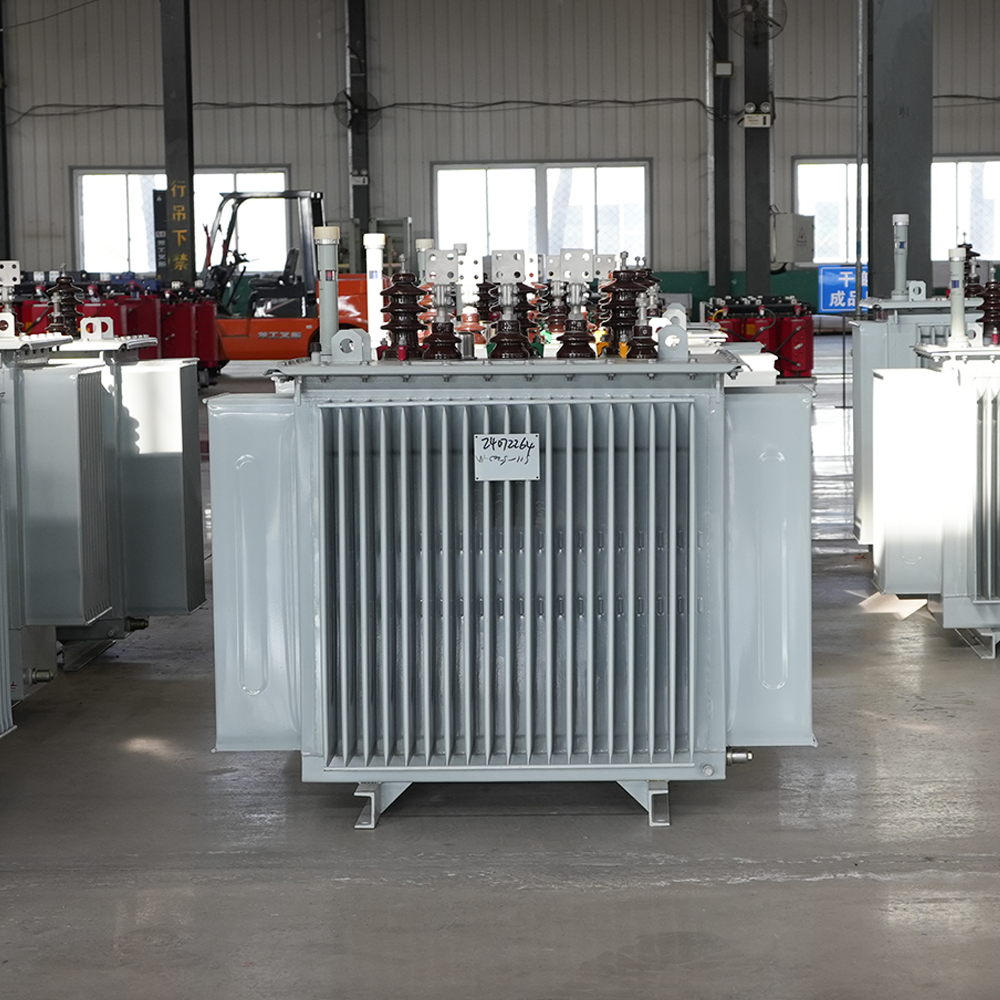
The maximum load the transformer can safely carry.
Pro Tip: Don't confuse kVA (apparent power) with kW (active power). Always factor in the Power Factor (Cosφ) to avoid "under-specifying" your equipment. Avoid long-term overloading to extend the transformer's lifespan.
Determines the input/output ratio (e.g., 10kV/0.4kV). Mismatching these levels leads to immediate equipment failure or insulation breakdown.
The benchmark for your electrical maintenance. If your measured current consistently exceeds this, it’s a clear signal that your transformer is overloaded and needs an upgrade.
This is your "24/7 standby electricity cost." Even with zero load, the iron core consumes power.
The Solution: Choose Amorphous Alloy Transformers if your facility operates 24/7. The savings in electricity bills often pay for the price difference within a few years.
This occurs when the transformer is carrying a load.
The Trap: Beware of "copper-clad aluminum" windings. They are cheaper but generate significantly more heat and waste more energy. We strictly recommend high-conductivity copper windings for lower long-term costs.
Your system’s "Safety Valve."
Why it matters: It balances voltage stability and short-circuit protection. If you are operating multiple transformers in parallel, the impedance values must match to prevent circulating currents that could burn out your equipment.
The "Truth Mirror" for manufacturing quality. A high no-load current indicates poor core material or sloppy assembly, often resulting in excessive noise and overheating. A premium power transformer should have a very low I0% value.
Efficiency: A Tier-1 energy-efficient transformer typically reaches >99% efficiency at a 50%–75% load factor.
Temperature Rise: The "Death Line" for your equipment. If a transformer constantly runs above its rated temperature rise, the insulation will degrade, leading to short circuits and potential explosions within a few years.
Most procurement issues stem from a gap between "cheap upfront costs" and "high lifecycle costs." At [Your Company Name], we provide technical consultations that go beyond just selling a product:
Tailored Load Analysis: We help you calculate the exact capacity needed to avoid energy waste.
Strict Quality Control: Every unit we manufacture is tested against these 8 parameters to ensure international compliance.
Cost-Benefit Reports: We compare the ROI between traditional silicon steel and high-efficiency amorphous alloy transformers for your specific site.
Don't let subpar technical specs put your project at risk.
Whether you are looking for a 315kVA distribution transformer for a commercial building or a 1250kVA power transformer for an industrial plant, we have the engineering expertise to ensure your system is efficient, stable, and durable.