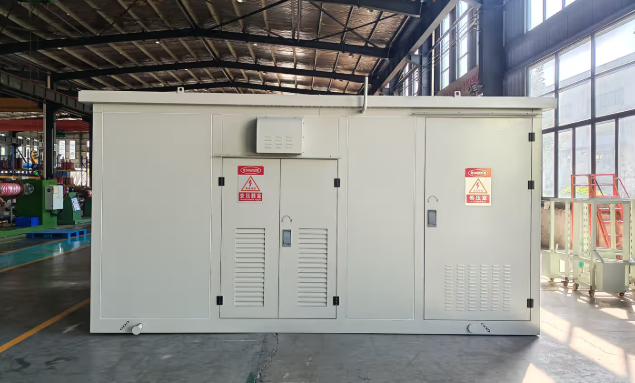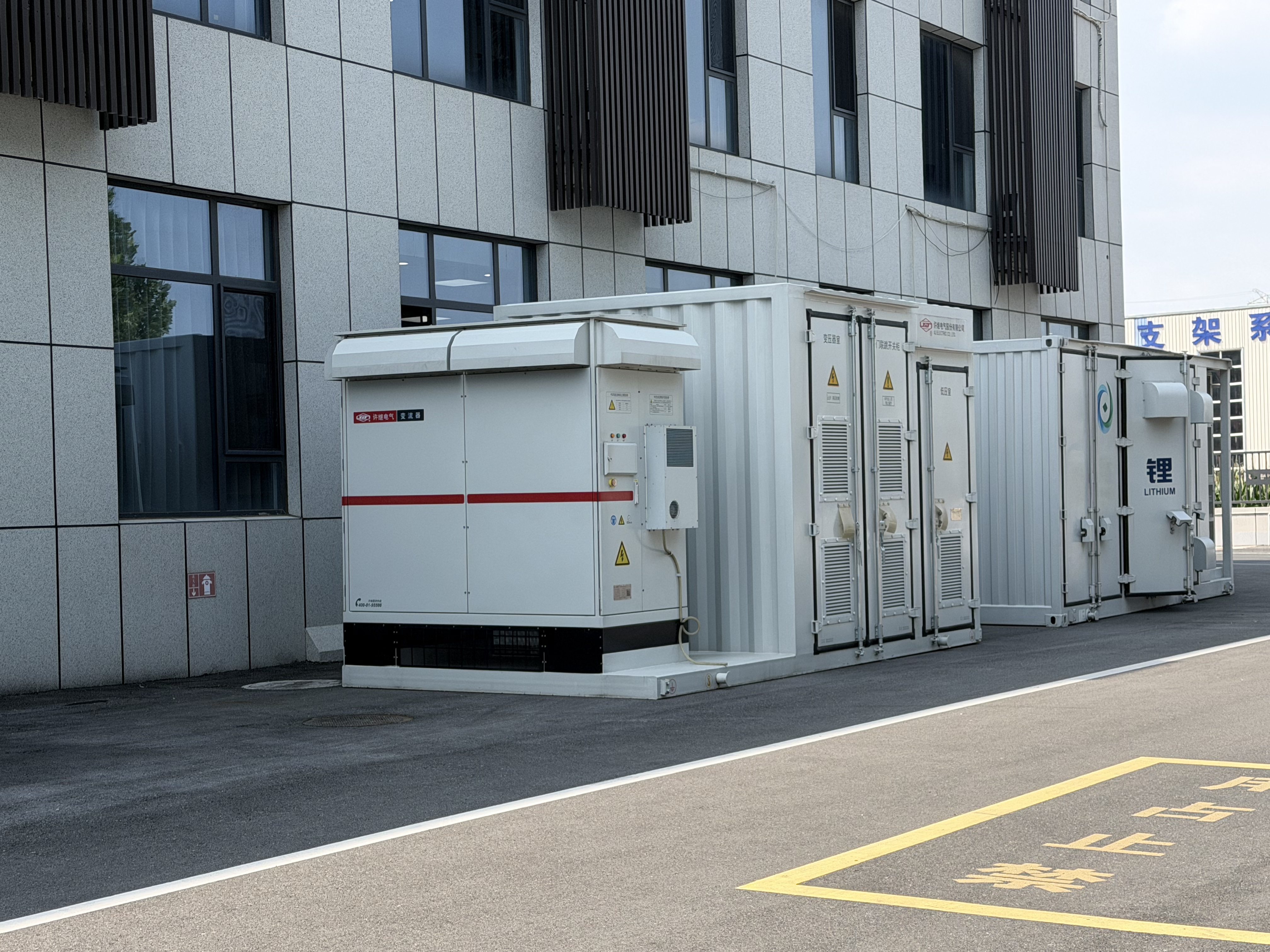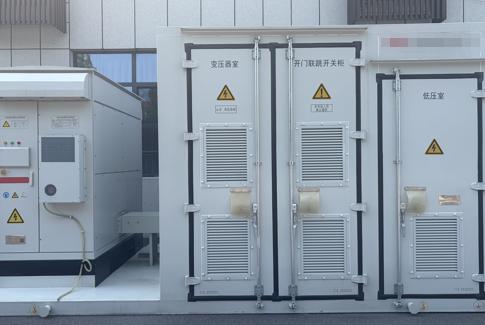
For over a century, the basic design of the electrical transformer—iron cores and copper windings—has remained largely unchanged. However, as the world moves toward AI-driven data centers, electric vehicle (EV) infrastructure, and renewable energy grids, the limitations of traditional transformers (bulkiness, lack of flexibility, and harmonic distortion) have become apparent.
Enter the Solid-State Transformer (SST). By merging power electronics with high-frequency conversion technology, SST is poised to redefine power distribution. Industry experts predict that SST will be the next "billion-dollar window" in the global energy sector.
Unlike traditional transformers that rely solely on electromagnetic induction at line frequencies (50/60Hz), an SST is a power electronic device that achieves voltage transformation and galvanic isolation through high-frequency switching.
A typical SST operates through a three-stage conversion process controlled by digital signal processors (DSP):
Input Stage (AC-DC): High-voltage AC from the grid is converted into high-voltage DC using Silicon Carbide (SiC) rectifiers.
Isolation Stage (HF DC-DC): A high-frequency DC/DC converter (operating at 20-50kHz) provides isolation and voltage stepping via a compact high-frequency transformer.
Output Stage (DC-AC or DC-DC): The energy is converted back to stabilized AC or low-voltage DC for the end-user.
As a senior power solution provider, we see five transformative benefits that make SST the preferred choice for modern infrastructure:
Extreme Compactness & Lightweight: Operating at high frequencies allows magnetic components to shrink significantly. SST can save 60% to 90% of space by eliminating the need for bulky iron cores, harmonic filters, and reactive power compensation cabinets.
Superior Efficiency: Leveraging wide-bandgap semiconductors like SiC (Silicon Carbide), SST reaches efficiency levels of 98% - 98.5%, outperforming traditional UPS systems by 3-4 percentage points.
Bi-directional Power Flow: SST supports energy feedback, making it ideal for microgrids and energy storage systems (BESS) where power must flow both to and from the grid.
Enhanced Power Quality: SST provides active voltage regulation, harmonic suppression (THD < 1%), and reactive power compensation, ensuring a "clean" power supply for sensitive equipment.
Programmable Intelligence: Every parameter—voltage, frequency, and fault logic—is software-defined, enabling seamless integration with the "Source-Grid-Load-Storage" ecosystem.
Why is the global market suddenly pivoting toward SST? The answer lies in three high-growth sectors:
AI workloads require massive, stable, and efficient power. SST is considered the ultimate power management solution for next-generation data centers. With single-system capacities reaching the Megawatt (MW) level, SST can handle the densest compute clusters while reducing cooling costs and footprint.
SST's ability to natively output multiple DC voltages makes it perfect for Solar PV and EV charging stations. It allows for direct DC-to-DC coupling, reducing conversion losses and supporting the smooth transition between green energy and grid power.
In railway systems and smart cities, SST acts as an intelligent gateway, balancing loads dynamically and providing a modular, scalable architecture for urban electrification.
The path toward mass commercialization of SST is accelerating:
SiC Scaling: The shift to 8-inch SiC wafers is drastically reducing component costs, narrowing the price gap between SST and traditional silicon-based solutions.
Higher Voltage Tiers: Engineering is moving toward 15kV+ ultra-high voltage applications, aiming for utility-scale deployment.
Gigawatt (GW) Ambitions: As AI infrastructure scales, we expect to see SST systems moving from MW-level pilot projects to GW-level industrial applications.
The Solid-State Transformer is more than just a component; it is the cornerstone of the Energy Internet. For businesses looking to future-proof their power infrastructure, SST offers unparalleled efficiency, control, and space savings.
Are you ready to upgrade your power infrastructure?
[Contact our Technical Team] for a consultation on how SST and high-frequency power solutions can optimize your operations.