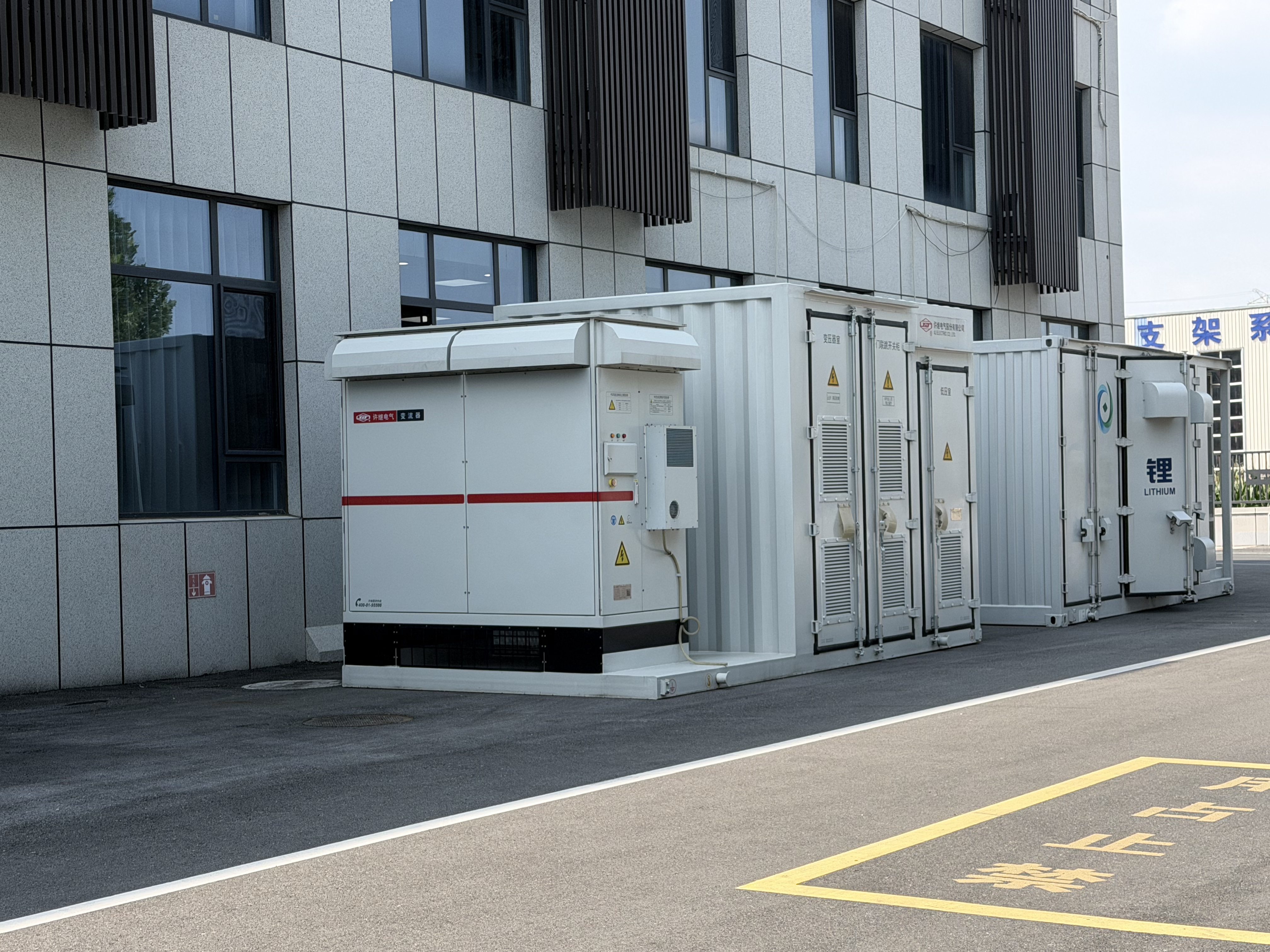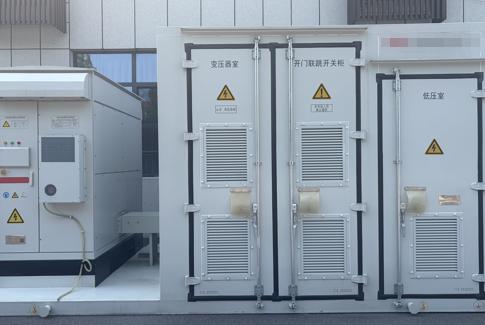
In high-voltage power systems, especially above 66kV, selecting the right transformer type is critical for safety, efficiency, and long-term reliability. As a professional transformer manufacturer, GNEE Electric provides both oil-immersed and dry-type transformers tailored to global utility and industrial projects. This article explores Oil-Immersed Vs. Dry-Type: Which Is Ideal For 66kV+ Power Applications, helping engineers and project owners make informed decisions.
Within the first stage of project planning, understanding Oil-Immersed Vs. Dry-Type: Which Is Ideal For 66kV+ Power Applications is essential, as high-voltage environments demand superior insulation performance, thermal management, and operational stability.
.png)
The comparison of Oil-Immersed Vs. Dry-Type for 66kV+ Power Applications begins with their fundamental design differences.
Use insulating oil for cooling and dielectric strength
Typically designed for outdoor substations
Excellent heat dissipation and overload capability
Use air or resin-based insulation
No oil involved, making them safer for indoor use
Limited voltage capacity in most cases
For voltage levels above 66kV, these structural differences significantly impact performance and feasibility.
When evaluating Oil-Immersed Vs. Dry-Type: Which Is Ideal For 66kV+ Power Applications, oil-immersed transformers are generally the preferred solution.
Oil provides excellent dielectric strength, which is essential for high-voltage operation above 66kV.
Oil cooling systems (ONAN, ONAF, OFAF) effectively manage heat in large-capacity transformers.
Oil-immersed transformers can handle very high capacities, making them suitable for:
Power generation plants
Transmission substations
Large industrial facilities
.png)
Although dry-type transformers offer advantages in certain scenarios, they face limitations in Oil-Immersed Vs. Dry-Type for 66kV+ Power Applications.
Most dry-type transformers are limited to medium voltage (typically ≤35kV), making them less suitable for 66kV+ systems.
Air cooling is less efficient than oil cooling, especially for large-capacity units.
If designed for higher voltages, dry-type transformers become significantly more expensive and complex.
Despite limitations, there are niche scenarios in Oil-Immersed Vs. Dry-Type: Which Is Ideal For 66kV+ Power Applications where dry-type transformers may still be considered.
In locations requiring strict fire safety:
Underground substations
Urban infrastructure projects
Tunnels and transportation hubs
Advanced cast resin or gas-insulated dry-type transformers can be engineered for higher voltages, but they are less common.
| Feature | Oil-Immersed Transformer | Dry-Type Transformer |
|---|---|---|
| Voltage Capability | Up to 500kV+ | Typically ≤35kV (limited >66kV) |
| Cooling Efficiency | Excellent (oil cooling) | Moderate (air cooling) |
| Installation Location | Outdoor | Indoor |
| Fire Risk | Higher (due to oil) | Very low |
| Maintenance | Moderate | Low |
| Cost at High Voltage | More economical | Higher |
| Typical Applications | Transmission & substations | Buildings & indoor facilities |
At GNEE Electric, we provide customized solutions based on project requirements.
We recommend oil-immersed transformers for:
66kV and above transmission systems
Utility-scale substations
Large industrial power networks
.png)
Voltage customization
Cooling system design
Environmental adaptation (desert, coastal, etc.)
All transformers meet IEC and global quality standards.
In conclusion, when evaluating Oil-Immersed Vs. Dry-Type: Which Is Ideal For 66kV+ Power Applications, oil-immersed transformers are the dominant and most practical choice due to their superior insulation, cooling efficiency, and scalability. Dry-type transformers are better suited for lower voltage indoor applications with strict safety requirements.
[ Click here to Submit an Inquiry or Chat with our Technical Engineers Now!]