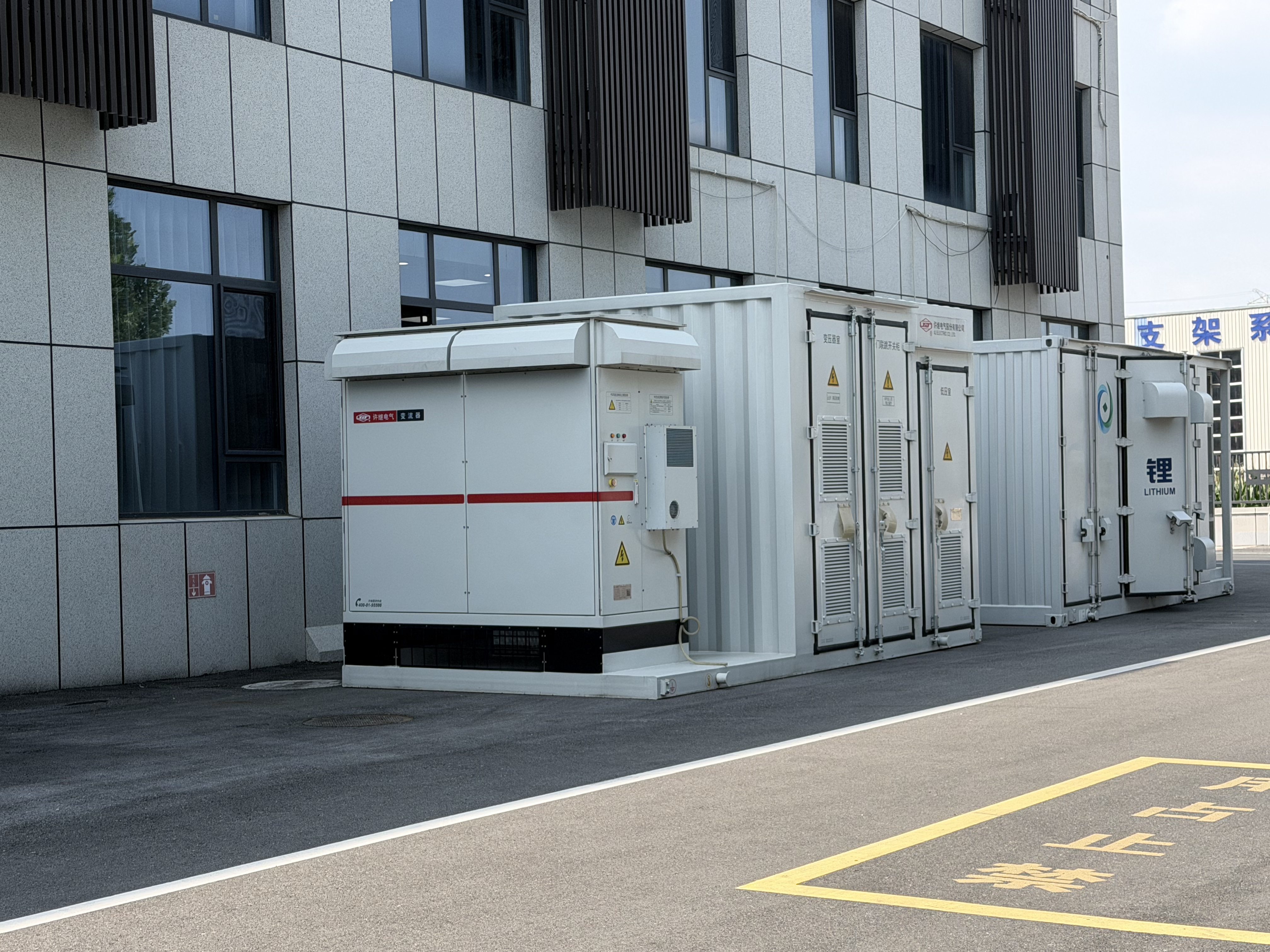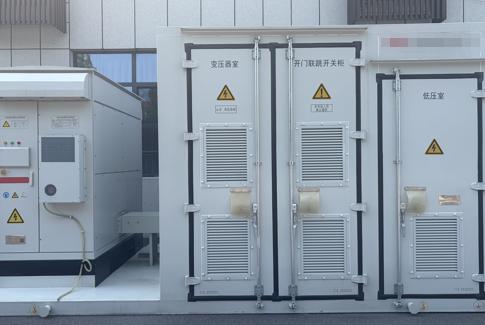
In the electrical power industry, a transformer is often referred to as the "heart" of the power grid. Under normal operating conditions, a transformer emits a steady, low-frequency "humming" sound caused by the magnetostriction of silicon steel sheets in the core.
However, when a transformer starts producing abnormal noises, it is sending a warning signal. As a leading transformer manufacturer, we know that "listening" is the first step in preventive maintenance. This guide will help you identify common transformer faults through sound and provide professional technical solutions.
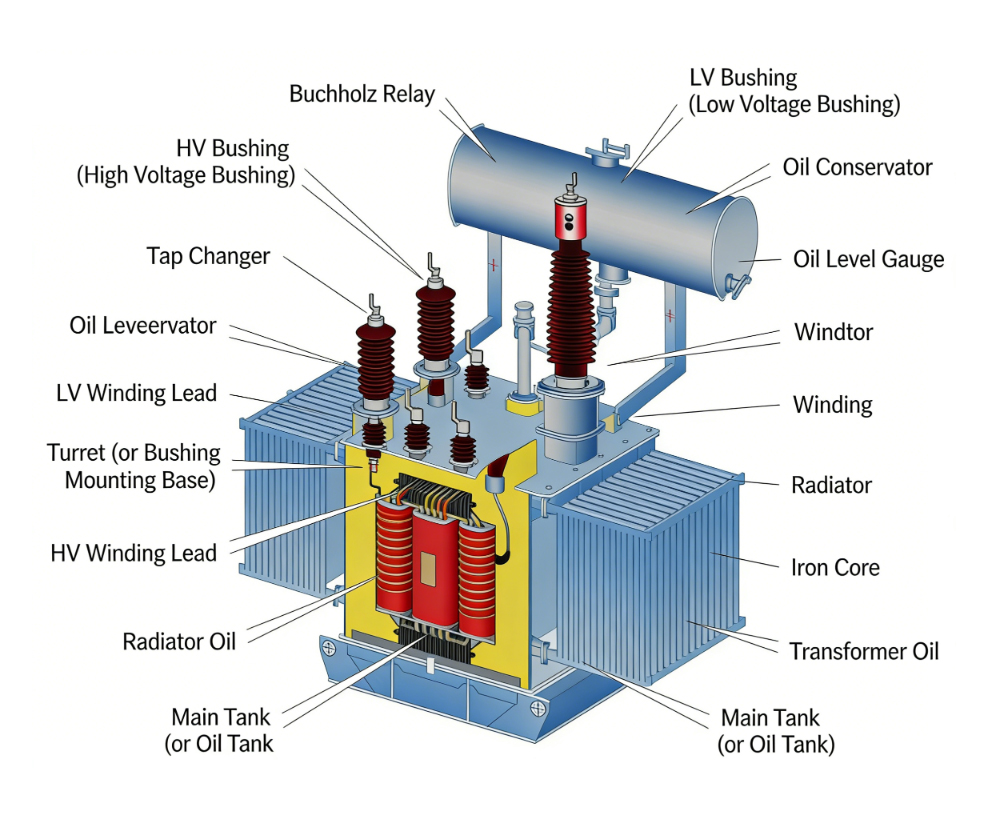
Identifying the specific pitch and rhythm of a transformer's noise can pinpoint internal issues before they lead to catastrophic failure.
The Sound: A deep, loud "buzzing" similar to a heavy aircraft.
The Cause: If the sound is dull and heavy, the transformer is likely overloaded. If the sound is sharp and louder than usual, the supply voltage is too high, causing over-excitation of the core.
Solution: Monitor the load distribution and adjust the tap changer to stabilize the voltage.
The Sound: Sharp, rhythmic "snapping" or "hissing."
The Cause: This usually indicates a surface flashover due to dirty high-voltage bushings or internal discharge between lead wires and the shell.
Solution: Power down immediately. Inspect the insulation, clean the bushings, or add insulation partitions if the clearance is insufficient.
The Sound: A sound like water boiling.
The Cause: This is a critical warning. It indicates a short circuit between winding layers or turns, causing localized overheating and gas generation.
Solution: Disconnect the unit immediately. This requires a professional internal inspection or replacement.
The Sound: Irregular metallic hitting sounds.
The Cause: Loose core bolts or small metal objects (nuts, washers) falling inside the tank.
Solution: While it may not affect immediate operation, it should be addressed during the next scheduled maintenance by tightening all fasteners.
Sometimes, the noise isn't from the "heart" but from the "body."
Cooling Fan Failure: In dry-type transformers, a "clatter" often means foreign objects are stuck in the fan. A continuous grinding sound usually indicates bearing failure, requiring a fan replacement.
Enclosure Vibration: If the IP20 or IP40 enclosure is not secured, the transformer's natural vibration will cause the metal sheets to rattle.
Pro Tip: Use rubber vibration-dampening pads between the enclosure and the floor to break the sound transmission path.
Room Resonance: In small electrical rooms, sound waves can reflect off walls and amplify. Adjusting the transformer's placement or adding acoustic panels to the walls can significantly reduce the perceived noise level.
At [Your Company Name], we focus on noise reduction during the design phase through three key strategies:
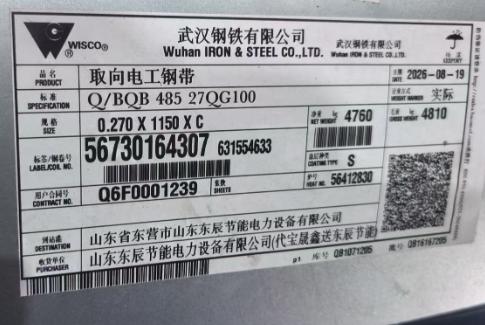
High-Quality Silicon Steel: We use premium grain-oriented silicon steel with a high silicon content to minimize magnetostriction.
Optimized Magnetic Flux Density (B): We scientifically calculate the flux density to balance efficiency and acoustics.
3.D Wound Core Technology: Unlike traditional stacked cores, our 3D triangular wound core structure eliminates seams, ensuring a balanced three-phase magnetic circuit and significantly lower operating noise.
To prevent noise-related issues, follow this routine maintenance schedule:
Daily: Check the temperature controller. Abnormal temperature rises often accompany abnormal sounds.
Monthly: Visually inspect for dust accumulation on dry-type transformers, as dust can lead to tracking and hissing sounds.
Quarterly: Ensure all terminal connections and fasteners are tightened.
Yearly: Replace aging rubber gaskets and dampening pads to maintain vibration control.
A transformer’s sound is the most direct indicator of its health. By training your team to "listen," you can prevent 80% of common power failures.
Are you experiencing unusual noise from your current transformer?
Our technical team is ready to help you with a free diagnostic consultation.
[Contact Our Experts Now] | [View Our Low-Noise Transformer Catalog]