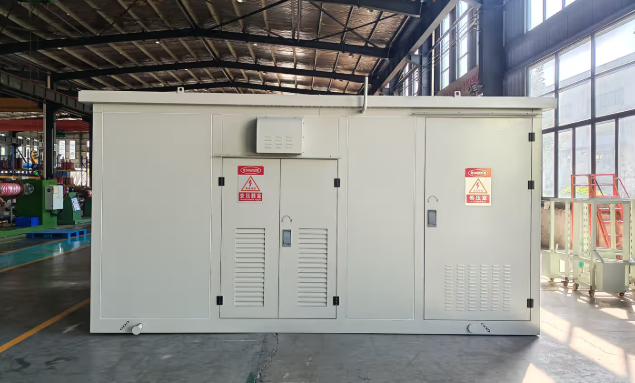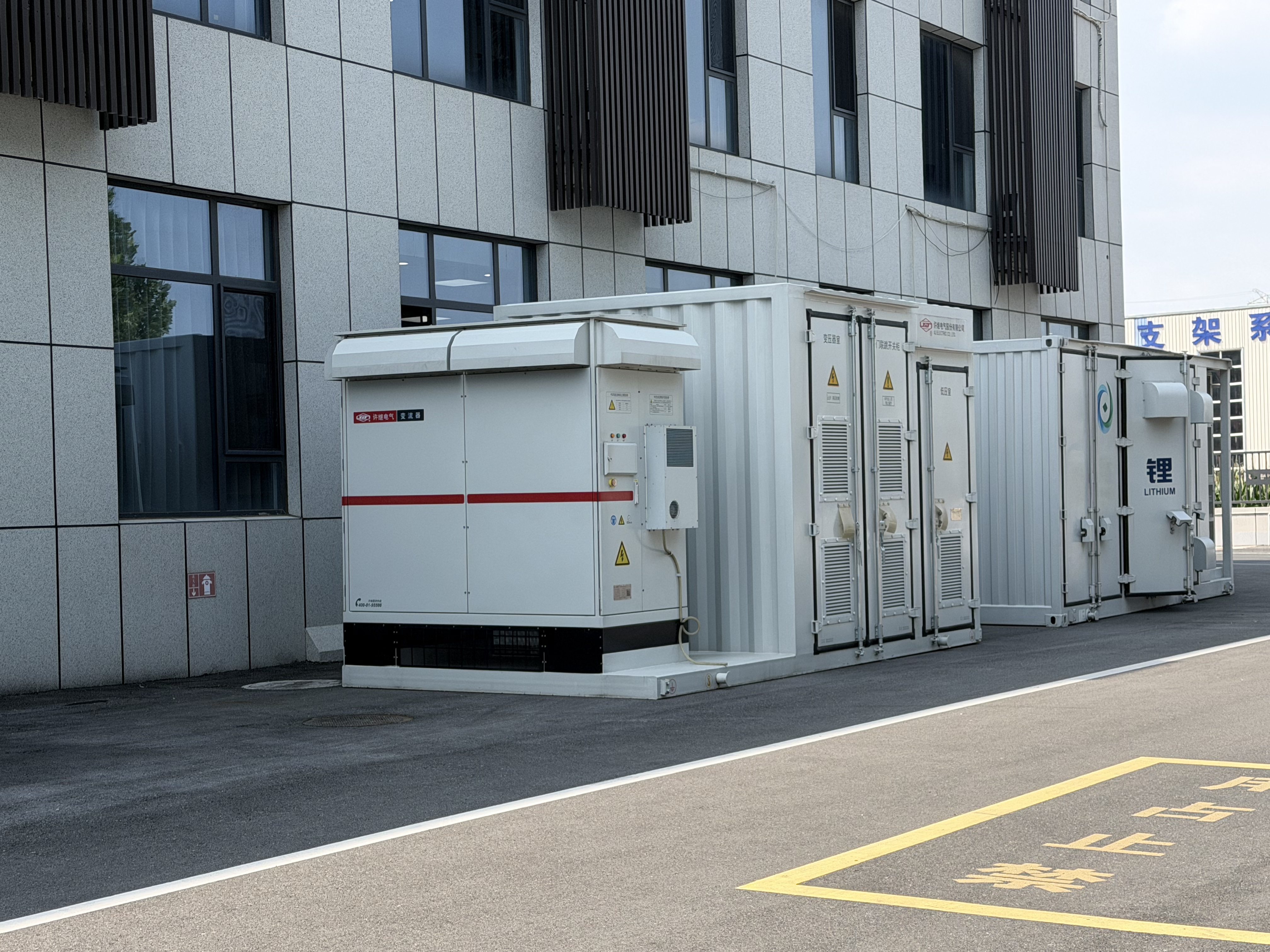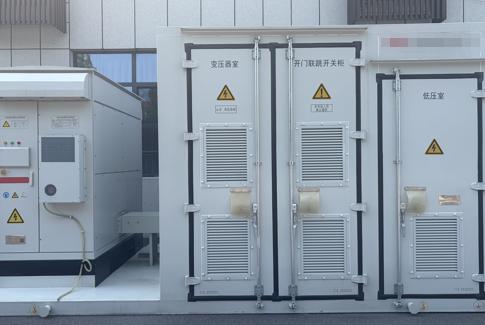
In distribution projects, building power supply, and industrial distribution systems, the SCB18‑2000/10 dry‑type transformer is a frequently selected model. However, the alphanumeric designation is not always fully understood by every electrical engineer. This article provides a comprehensive breakdown of its technical parameters, energy‑efficiency advantages, application scenarios, and real‑world case studies.
.png)
✅ S – Three‑phase
This is a three‑phase transformer, the mainstream configuration in power transmission and distribution networks, suitable for most industrial and building distribution applications, offering enhanced stability.
✅ C – Epoxy Resin Cast
The core manufacturing process for dry‑type transformers: the windings are integrally cast and cured with epoxy resin. This provides moisture resistance, flame retardancy, fire safety, and pollution‑free operation. No oil medium is required, making it safe and environmentally friendly, and allowing direct installation indoors, in basements, and other enclosed spaces.
✅ B – Copper Foil Winding (Foil‑wound Construction)
High‑quality copper foil is used for the windings. Compared with traditional copper wire windings, this offers superior electrical conductivity, lower load losses, more compact winding geometry, improved heat dissipation, and greater mechanical strength, resulting in more energy‑efficient and durable operation. The foil structure also enhances short‑circuit withstand capability.
✅ 18 – Design Serial Number (Efficiency Code)
This indicates the technical iteration version. A higher number signifies more advanced technology, better energy performance, and improved manufacturing processes. SCB18 complies with the Class 1 energy‑efficiency requirement of GB 20052‑2024 Minimum allowable values of energy efficiency and energy efficiency grades for power transformers, representing a high‑efficiency benchmark in the dry‑type transformer sector.
✅ 2000 – Rated Capacity
The rated capacity is 2000 kVA, directly determining the transformer’s load‑carrying capability. It meets the power demands of small‑to‑medium‑sized factories, high‑rise buildings, commercial complexes, residential districts, and similar scenarios.
✅ 10 – Rated High‑Voltage Side Voltage
The high‑voltage side rated voltage is 10 kV, perfectly matching the mainstream 10 kV distribution network in China, the most common voltage level for urban and rural distribution and industrial power supply. The low‑voltage side is typically 0.4 kV (400 V).
.png)
The main technical parameters of the SCB18‑2000/10 dry‑type transformer (based on national standards) are as follows:
| Parameter | Value |
|---|---|
| Rated capacity | 2000 kVA |
| Number of phases | 3 |
| Rated frequency | 50 Hz |
| High‑voltage side rated voltage | 10 kV (customizable 10.5 kV) |
| High‑voltage tapping range | ±2×2.5% or ±5% |
| Low‑voltage side rated voltage | 0.4 kV (400V) |
| Connection symbol | Dyn11 |
| No‑load loss (P₀) | Approx. 1750 W (1.75 kW) |
| Load loss (Pₖ) | Approx. 14850 W (14.85 kW, at 120℃) |
| No‑load current (I₀%) | Approx. 0.40% |
| Short‑circuit impedance (Uₖ%) | 6% |
| Insulation level | LI75 AC35 / LI0 AC3 |
| Insulation class | Class F |
| Temperature rise limit | 100 K |
| Cooling method | AN/AF |
| Degree of protection | IP20 (standard) |
| Noise level | ≤ 60 dB |
| Total losses | Approx. 14.625 kW |
1. Class 1 Energy Efficiency – Significantly Reduced Losses
The SCB18 series complies with Class 1 energy efficiency of GB 20052‑2024. For the SCB18‑2000/10, the no‑load loss is reduced by approximately 15%–20% compared to the SCB14 model, while the load loss remains similar; compared to SCB13, the no‑load loss is reduced by more than 20%.
2. Short Payback Period
Although the initial investment for the Class 1 SCB18 is slightly higher than that of lower‑efficiency models, the substantial reduction in no‑load loss yields considerable electricity savings over long‑term operation. The industry generally expects the incremental cost to be recovered within 3–5 years. For industrial and commercial projects with long annual operating hours, the life‑cycle economic advantage is even more pronounced.
3. Reference Annual Operating Cost Estimate
Taking a Class 1 SCB18‑2500kVA transformer as an example (for reference): no‑load loss 1.8 kW + load loss 12 kW = total loss 13.8 kW. Based on 8000 operating hours per year, annual energy consumption is about 110,400 kWh. The energy‑saving effect of the SCB18‑2000 model is similarly significant.